

Air Duct Mold Removal in Grand Prairie, TX
Grand Prairie's year-round humidity and the prevalence of slab foundations mean that air conditioning systems—often the most moisture-prone mechanical systems in local homes—become common gathering points for mold when ducts and coils aren't regularly inspected and cleaned. Mold in air ducts circulates through your home's breathing spaces, degrading indoor air quality and potentially affecting comfort and health. Goff Mold Remediation connects Grand Prairie property owners with local independent providers who specialize in air duct mold removal, ensuring thorough containment and safe remediation so your HVAC system works for your home, not against it.
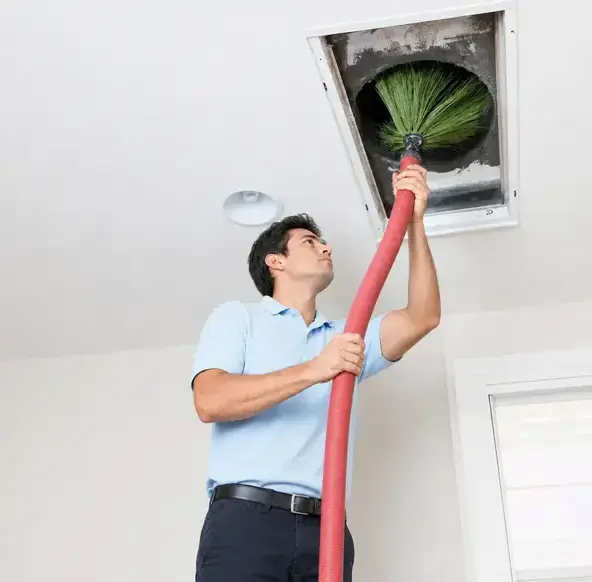
What gets cleaned in a duct system, and what comes out
The honest answer to “does this come out, or can it be cleaned?” turns on two things — what the material is, and how many square feet are affected. Those are the two axes of the EPA’s own remediation table, reproduced below for the materials usually found in a duct system.
| Material | Under 10 sq ftabout a cabinet door, or one ceiling tile | 10 to 100 sq ftroughly one wall, or a small bathroom | Over 100 sq ftmore than one room's worth of surface |
|---|---|---|---|
| Non-porous, hard surfacesregisters, grilles and the air handler cabinetEPA, Table 2 | Wet vacuumDamp wipeHEPA vacuum | Wet vacuumDamp wipeHEPA vacuum | Wet vacuumDamp wipeHEPA vacuum |
What those methods mean, in EPA's words
- Wet vacuum
Wet vacuums are vacuum cleaners designed to collect water. They can be used to remove water from floors, carpets and hard surfaces where water has accumulated.
EPA, cleanup methods- Damp wipe
Mold can generally be removed from nonporous (hard) surfaces by wiping or scrubbing with water, or water and detergent.
EPA, cleanup methods- HEPA vacuum
HEPA (High-Efficiency Particulate Air) vacuums are recommended for final cleanup of remediation areas after materials have been thoroughly dried and contaminated materials removed.
EPA, cleanup methods
Cleaned in place, not replaced
- Hard-surface (sheet metal) ducts — sheet-metal trunks, branches and boots.
There is substantial visible mold growth inside hard surface (e.g., sheet metal) ducts or on other components of your heating and cooling system.
EPA, air duct cleaningEPA lists this as a condition under which duct CLEANING is recommended — not as a reason to replace the ducts. It says treating mold on bare sheet metal is much easier, and that cleaning and treatment with an EPA-registered biocide are possible.
Removed and replaced, whatever the area
- Insulated air ducts — flexible or internally lined insulated ducts.
If you have insulated air ducts and the insulation gets wet or moldy it cannot be effectively cleaned and should be removed and replaced.
EPA, air duct cleaningThe affected runs are what get replaced — not necessarily the whole system.
These guidelines are for damage caused by clean water. If you know or suspect that the water source is contaminated with sewage, or chemical or biological pollutants, then Personal Protective Equipment and containment are required by OSHA.
EPA, Table 1Porous materials that are wet and have mold growing on them may have to be discarded.
EPA, cleanup methodsMold can grow on wood, drywall, carpet and furniture if they remain wet for more than 24 hours.
EPA, flood cleanup
EPA draws a hard line here, and it is the thing worth knowing before you accept a quote: hard sheet-metal ducts can be cleaned, but insulated ducts whose insulation is wet or moldy cannot. EPA also treats duct cleaning as warranted when there is substantial visible growth inside hard-surface ducts — not as routine maintenance. If the affected runs are flexible insulated duct, the honest answer is replacing those runs.
Grand Prairie has about 93.1 days a year at or above 90 °F, 27.5 of them in July alone. That is a long cooling season, and a cooling coil removes water from the air every hour it runs.Source: NOAA 1991-2020 Climate Normals, ARLINGTON SIX FLAGS, TX US station (4.5 mi from Grand Prairie)
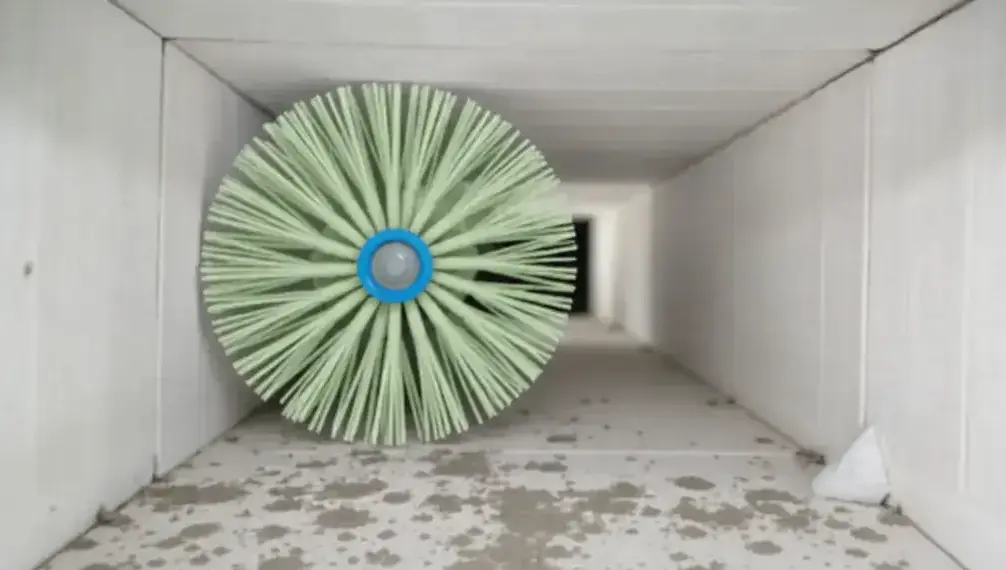
Air Duct Mold Removal Services for Grand Prairie Homes
Grand Prairie's humid subtropical climate keeps moisture levels elevated throughout much of the year, creating persistent conditions that favor mold growth inside homes. Because most properties in the area are built on slab foundations, attics and air conditioning systems become prime locations where mold can take hold and spread. When mold colonizes your ductwork, it circulates spores through every room whenever your system runs, potentially affecting indoor air quality and the health of everyone in your home. Air duct mold removal becomes essential when you notice musty odors, visible growth around vents, or suspect contamination after water damage or high humidity events.
Goff Mold Remediation connects Grand Prairie property owners with independent local providers who specialize in air duct mold removal. These professionals conduct thorough inspections to identify mold location and extent, use containment and removal techniques designed to prevent spore dispersal, and verify that ducts are clean and dry before your system returns to normal operation. Whether your ducts need cleaning, sanitizing, or full remediation following water intrusion, the providers in this network focus on restoring air quality and preventing future growth. Contact Goff Mold Remediation today to connect with a qualified local provider ready to assess your air ducts and protect your home's indoor environment.
Why Grand Prairie Property Owners Choose Goff Mold Remediation
Fast Air Duct Mold Response
Goff connects you with local providers who understand Grand Prairie's urgent mold needs. When air duct mold threatens indoor air quality, responsive technicians arrive quickly to assess and begin removal without unnecessary delay.
Clear Air Duct Mold Communication
Goff's referral partners explain air duct mold findings in plain terms—what's present, why it matters, and how removal will proceed. You'll know exactly what to expect from inspection through completion of remediation work.
Thorough Air Duct Mold Removal
Air duct mold removal requires careful containment and complete treatment of affected surfaces. Local providers connected through Goff address contaminated ducts systematically, protecting your home's HVAC system and the air you breathe daily.
Year-Round Humidity & Your AC System
Grand Prairie's subtropical climate keeps moisture levels elevated throughout the year, putting constant pressure on air conditioning systems where condensation naturally collects. Mold in ducts becomes a persistent risk, making regular inspection and prompt removal essential to protect air quality and system performance.
How Our Air Duct Mold Removal Process Works
Schedule Your Air Duct Mold Removal Inspection
Contact Goff Mold Remediation to book a visit from a local air duct mold removal provider in Grand Prairie. The provider will inspect your AC system and ductwork to identify mold growth and moisture sources affecting your indoor air quality.
Receive Air Duct Mold Removal Assessment
The provider performs a detailed evaluation of your air ducts, identifying where mold is present and how far it has spread through your system. In Grand Prairie's humid subtropical climate, elevated moisture year-round creates steady pressure on HVAC systems, making thorough air duct mold removal essential to restore clean airflow.
Complete Air Duct Mold Removal and Verification
The provider removes mold from your ducts and addresses moisture conditions to help prevent regrowth, then verifies that your air duct system is clear. You'll receive guidance on maintaining your HVAC system to support long-term indoor air quality.
Dealing with Air Duct Mold Removal in Grand Prairie? Get fast, professional help.
Call Now — (972) 449-9488Air Duct Mold Removal Across Grand Prairie
Grand Prairie's humid subtropical climate keeps moisture levels elevated throughout much of the year, creating steady pressure on indoor air quality. This persistent moisture environment makes air ducts particularly vulnerable to mold growth, since ductwork naturally collects dust and condensation as heated or cooled air cycles through your home. Whether you live in an established neighborhood like Greenway Trails or a newer community such as Prairie Ridge, your HVAC system faces the same year-round humidity challenge—one that makes regular inspection and timely removal essential to prevent spore circulation through your living spaces.
Because slab-foundation homes are standard across Grand Prairie, attics and air conditioning systems become the primary moisture hotspots. When mold takes hold inside ducts, it travels with every air cycle, potentially affecting indoor air quality in every room. Goff Mold Remediation connects Grand Prairie property owners with local providers who understand how the region's climate drives duct contamination and can assess whether your system needs inspection, cleaning, or remediation to restore safe airflow and protect your home's environment.
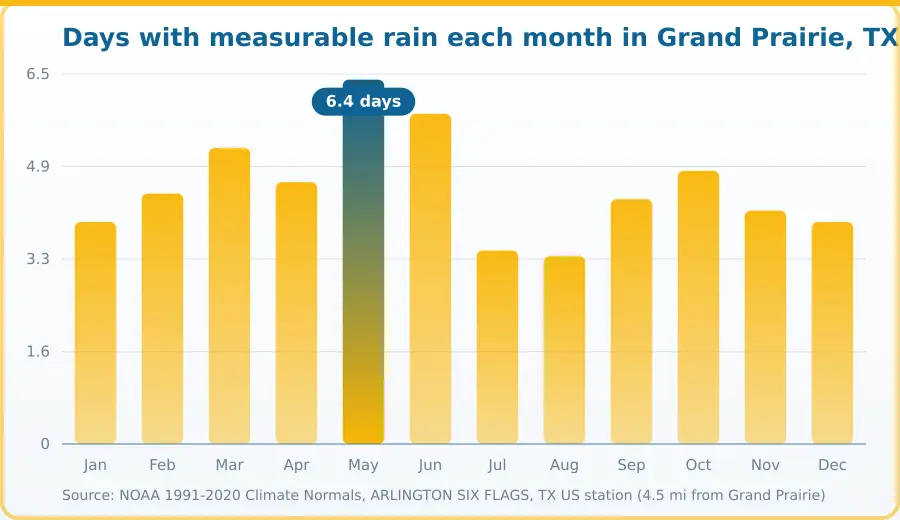
| Period | Days with measurable rain by month (days) |
|---|---|
| Jan | 3.9 |
| Feb | 4.4 |
| Mar | 5.2 |
| Apr | 4.6 |
| May | 6.4 |
| Jun | 5.8 |
| Jul | 3.4 |
| Aug | 3.3 |
| Sep | 4.3 |
| Oct | 4.8 |
| Nov | 4.1 |
| Dec | 3.9 |
Source: NOAA 1991-2020 Climate Normals, ARLINGTON SIX FLAGS, TX US station (4.5 mi from Grand Prairie). Retrieved October 27, 2026.
Seasonal Air Duct Mold Removal Challenges in Grand Prairie
Spring: Rising Moisture Pressure
Spring rainfall and warming temperatures increase indoor humidity levels, creating ideal conditions for mold growth inside air ducts. AC systems work harder to cool while moisture accumulates, and circulating air spreads spores throughout the home. Goff Mold Remediation connects property owners to local providers who inspect and remove ductwork mold before summer demand peaks.
Summer: Constant System Stress
Extended air conditioning use during Grand Prairie's hot summers keeps ducts running continuously, trapping condensation and fostering mold colonies that spread through occupied spaces. Elevated indoor humidity from constant AC cycling creates persistent moisture that sustains duct mold growth. Goff Mold Remediation helps homeowners locate providers for thorough duct cleaning and remediation to restore indoor air quality.
Fall: Transition and Moisture Shifts
As temperatures cool and humidity patterns change, air ducts experience temperature swings that encourage condensation and mold regrowth, particularly in areas where cooling transitions to heating. Systems that have accumulated moisture over summer months may show visible mold growth or musty odors during this seasonal shift. Goff Mold Remediation connects property owners with local providers who assess ducts before the heating season begins.
Winter: Persistent Indoor Humidity
During winter, sealed homes trap heated indoor air with year-round moisture from cooking, showers, and occupancy—conditions that sustain mold in air ducts even when AC runs less frequently. The humid subtropical climate means winter humidity remains elevated enough to support mold dormancy and growth cycles. Goff Mold Remediation helps property owners in Grand Prairie and nearby areas like Greenway Trails and Prairie Ridge find providers for winter duct inspection and removal to prevent spring reactivation.
Related Services
Air Duct Mold Removal FAQs — Grand Prairie, TX
Air duct mold removal starts with inspection to locate mold growth inside your HVAC system, then proceeds to containment, removal of affected duct sections or thorough cleaning, and verification that ducts are dry and clear. The process protects your indoor air quality by eliminating mold spores that circulate through your home when the system runs. Goff Mold Remediation connects you with local providers who handle this work from start to finish.
Response time depends on the independent local provider you're connected with through Goff Mold Remediation. Many providers in the Grand Prairie area can schedule inspections and removal work promptly, especially when mold is actively affecting indoor air quality. Contact a provider directly to discuss urgency and available appointment times for your air ducts.
Pricing for air duct mold removal typically depends on the extent of mold growth, the size and complexity of your HVAC system, whether ducts need cleaning or replacement sections, and any containment measures required during removal. Each independent provider sets their own pricing based on the scope of work. Goff Mold Remediation connects you with local providers who can assess your situation and discuss cost details.
Your provider will give specific preparation instructions, but generally you should ensure access to your HVAC system and ductwork, including attic or mechanical spaces. Close off rooms if directed to contain dust and spores during removal. Ask your provider whether you should run your system before or after work begins, and discuss any scheduling needs. Clear communication about your home layout helps the removal process go smoothly.
Mold in ductwork thrives when moisture lingers in the system. Keep your HVAC system clean by replacing or cleaning filters regularly, ensure your air conditioning runs long enough to dry ducts, and address any condensation or water leaks near your unit promptly. In Grand Prairie's humid climate, maintaining steady airflow and moderate indoor humidity levels reduces the moisture that allows mold to return to your ducts.
Grand Prairie experiences elevated humidity throughout much of the year, which keeps moisture pressure on HVAC systems fairly constant rather than just during specific months. This means air duct mold can develop and spread year-round, so don't delay if you notice signs like musty odors or visible growth inside ducts. Early removal prevents spores from circulating and helps protect your home's air quality during every season.
Homeowner Safety Toolkit
Verify Your Grand Prairie, TX Mold Remediation Company
Before you hire anyone, use these independent national resources to confirm credentials, standards, and track record.
ACAC
An independently accredited certifying body for mold inspectors and consultants — one of the few in this field whose standards are verified by an outside accreditation board, not just self-declared.
Find a Certified InspectorBBB
Look up any mold remediation company's complaint history, customer reviews, and accreditation status — a free, independent check before you hire.
Check StandingCDC
Covers the health effects of mold exposure and safe cleanup practices, separate from the remediation work itself — useful if anyone in the home has respiratory symptoms.
Mold Health GuideDealing with Air Duct Mold Removal in Grand Prairie, TX? Call (972) 449-9488 for 24/7 help.
Call Now — (972) 449-9488Areas We Serve in Grand Prairie, Texas
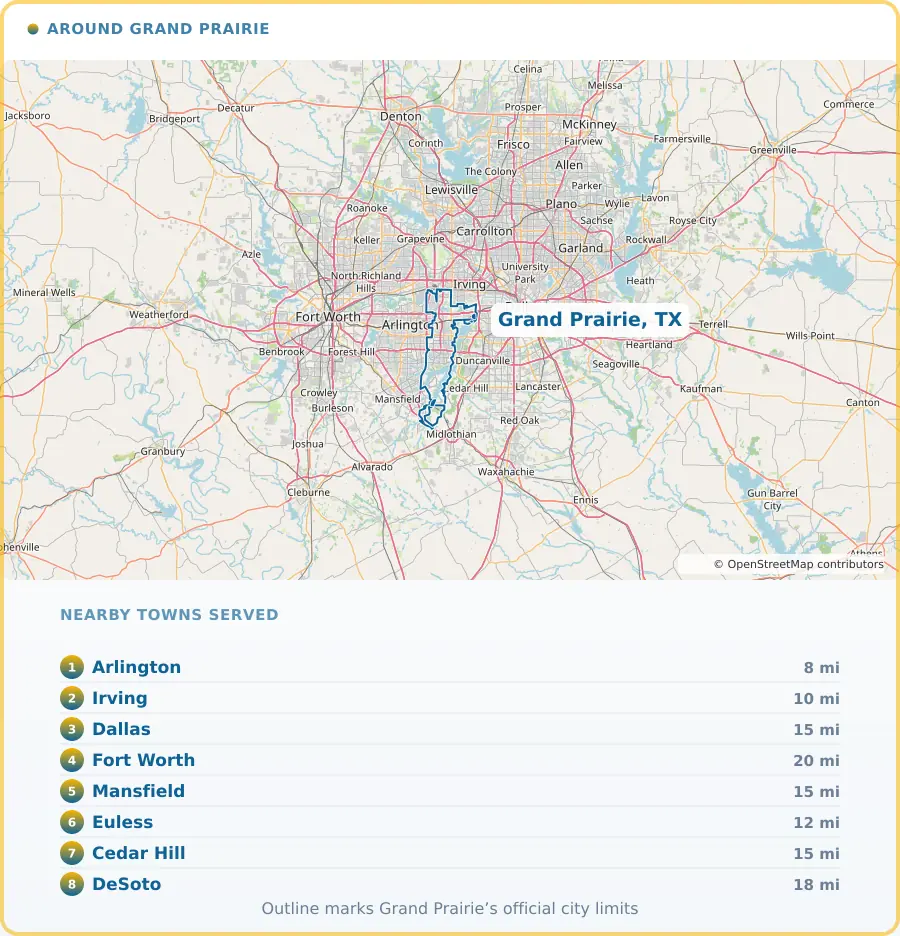
Coverage centres on Grand Prairie, TX and reaches 8 surrounding communities. Response time is what matters most in the hours after a problem is found, so knowing the ground is part of the job.
Grand Prairie, TX Information
Wedged neatly between Dallas and Fort Worth, Grand Prairie has built its own identity out of that in-between address. Roughly 196,100 people call it home, and the city's economy runs on a sturdy mix of aerospace and defense work, with Lockheed Martin and Raytheon Technologies anchoring a manufacturing base that's been around long enough to matter. Add in a growing logistics and distribution scene, plus retail and construction keeping pace with the Metroplex's expansion, and you get a city that stays busy without losing its footing.
Grand Prairie also knows how to have fun: Lone Star Park and Epic Waters Indoor Waterpark draw visitors well beyond city lines. Neighborhoods like Lynn Creek and South Grand Prairie reflect a community that's practical, welcoming, and quietly proud of its place in North Texas.
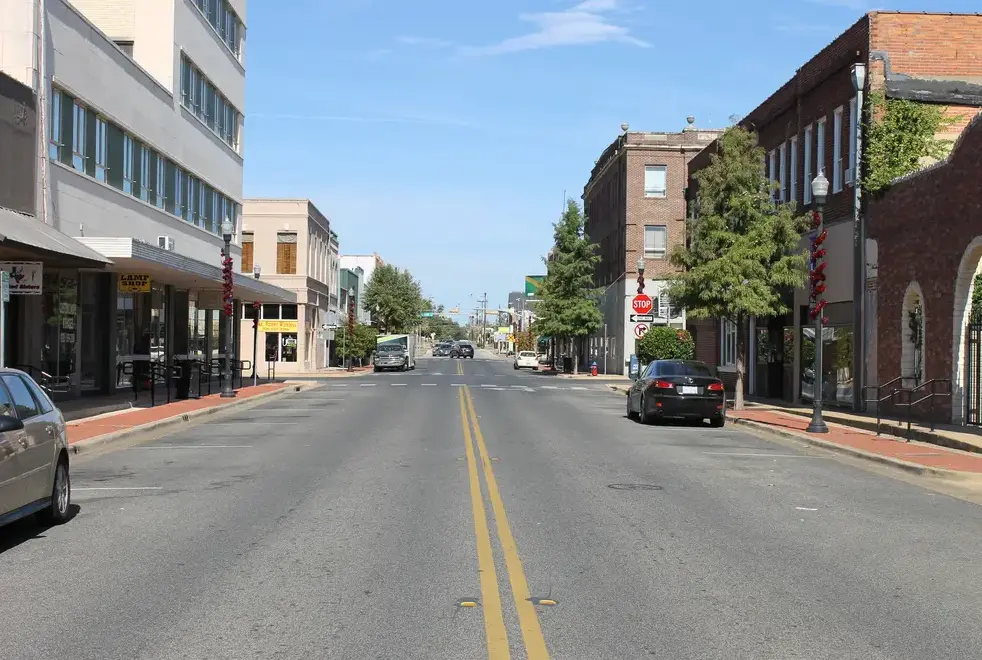
Photo: Billy Hathorn, CC BY-SA 3.0