

Crawl Space Mold Removal in Grand Prairie, TX
Grand Prairie's humid subtropical climate creates persistent moisture conditions year-round, putting steady pressure on crawl spaces to develop mold growth. Goff Mold Remediation connects property owners throughout the area—including neighborhoods like Greenway Trails and Prairie Ridge—with local mold removal providers who can inspect, contain, and safely remediate crawl space contamination before it affects indoor air quality and structural integrity. Getting a qualified local provider involved early protects your home and peace of mind.
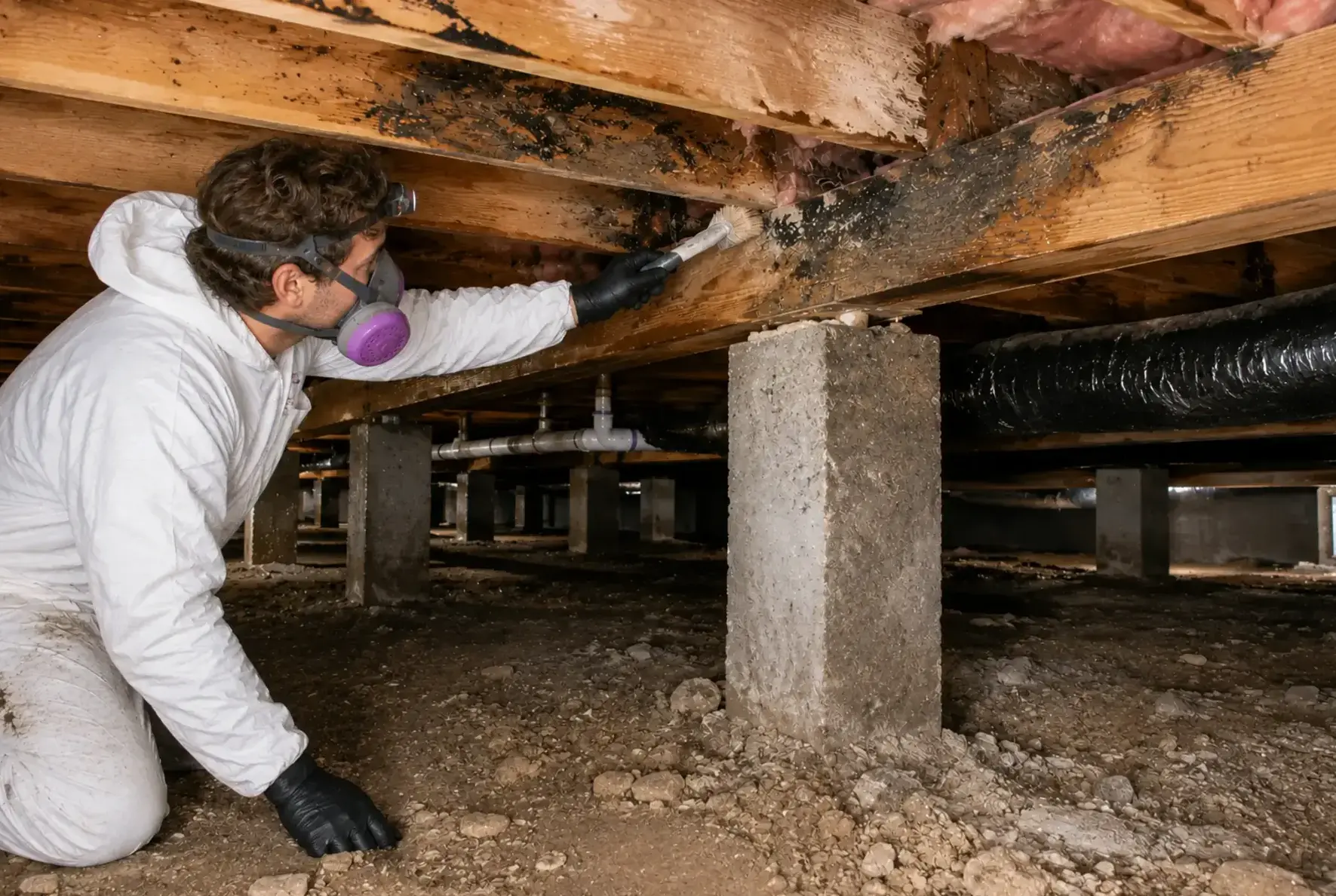
What gets cleaned in a crawl space, and what comes out
The honest answer to “does this come out, or can it be cleaned?” turns on two things — what the material is, and how many square feet are affected. Those are the two axes of the EPA’s own remediation table, reproduced below for the materials usually found in a crawl space.
| Material | Under 10 sq ftabout a cabinet door, or one ceiling tile | 10 to 100 sq ftroughly one wall, or a small bathroom | Over 100 sq ftmore than one room's worth of surface |
|---|---|---|---|
| Wood surfacesfloor joists, subfloor, beams and piersEPA, Table 2 | Wet vacuumDamp wipeHEPA vacuum | Wet vacuumDamp wipeHEPA vacuum | Wet vacuumDamp wipeHEPA vacuumRemove and discard |
| Concrete or cinder blockblock piers, stem walls and any slabEPA, Table 2 | Wet vacuumHEPA vacuum | Wet vacuumHEPA vacuum | Wet vacuumHEPA vacuum |
What those methods mean, in EPA's words
- Wet vacuum
Wet vacuums are vacuum cleaners designed to collect water. They can be used to remove water from floors, carpets and hard surfaces where water has accumulated.
EPA, cleanup methods- Damp wipe
Mold can generally be removed from nonporous (hard) surfaces by wiping or scrubbing with water, or water and detergent.
EPA, cleanup methods- HEPA vacuum
HEPA (High-Efficiency Particulate Air) vacuums are recommended for final cleanup of remediation areas after materials have been thoroughly dried and contaminated materials removed.
EPA, cleanup methods- Remove and discard
Building materials and furnishings that are contaminated with mold growth and are not salvageable should be double-bagged using 6-mil polyethylene sheeting.
EPA, cleanup methods
Removed and replaced, whatever the area
- Fiberglass or other insulation — batt insulation between the joists.
Fiber glass, or any other insulation material that is wet or visibly moldy (or if an unacceptable odor is present) should be removed and replaced by a qualified heating and cooling system contractor.
EPA, air duct cleaningEPA states this in its heating-and-cooling guidance and it is quoted here as written. Its water-damage table reaches the same conclusion for both fiberglass and cellulose insulation.
These guidelines are for damage caused by clean water. If you know or suspect that the water source is contaminated with sewage, or chemical or biological pollutants, then Personal Protective Equipment and containment are required by OSHA.
EPA, Table 1Porous materials that are wet and have mold growing on them may have to be discarded.
EPA, cleanup methodsMold can grow on wood, drywall, carpet and furniture if they remain wet for more than 24 hours.
EPA, flood cleanup
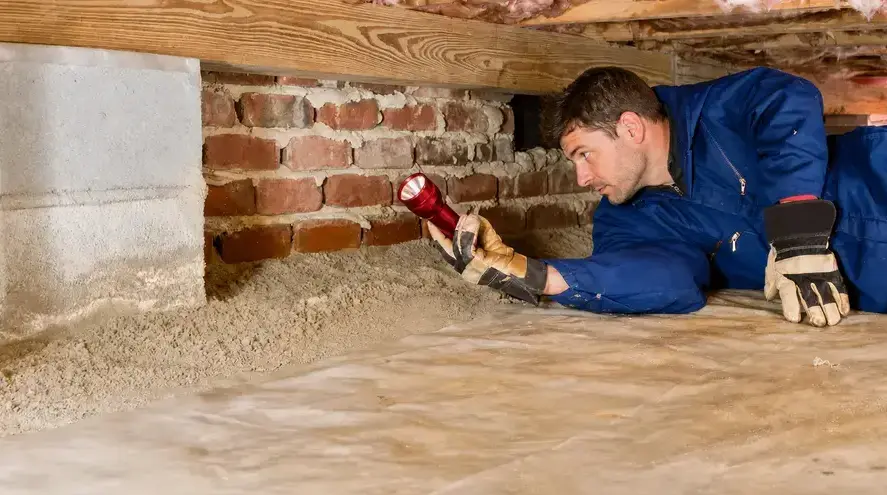
A missing or torn vapor barrier lets ground moisture into the framing continuously, so the lasting fix is the barrier and the drainage rather than the cleaning. Joists and subfloor are wood and are usually salvageable even at large areas. The batt insulation between them is not — and pulling it is often how the real extent of the problem first becomes visible.
This is not rare locally: Dallas County has recorded flood events in 29 separate years, most often in the 2020s, and most recently in 2026. Water that sat years ago leaves growth behind whether anyone found it or not.Source: NOAA Storm Events Database, Dallas County (1996-2026; Flood, Flash Flood and Coastal Flood events)
Crawl Space Mold Removal Services for Grand Prairie Homeowners
Grand Prairie's humid subtropical climate keeps moisture levels elevated throughout much of the year, creating steady conditions that favor mold growth in home interiors. While most properties in the area are built on slab foundations due to the region's expansive clay soil, crawl spaces remain a common feature in many homes—and they are particularly vulnerable to moisture accumulation and mold colonization. The combination of poor airflow, ground moisture, and the region's consistent humidity makes crawl space mold removal a priority concern for property owners who want to protect both structural integrity and indoor air quality.
Goff Mold Remediation connects Grand Prairie homeowners with local mold removal providers who specialize in crawl space assessment and thorough remediation. These professionals begin with a detailed inspection to identify moisture sources, active mold growth, and conditions that allow contamination to spread. The remediation process includes containment of affected areas, removal of mold-damaged materials, moisture control improvements, and restoration of safe, dry conditions. After the work is complete, providers offer guidance on ongoing maintenance and monitoring to help prevent future moisture problems—ensuring your crawl space remains a protected, healthy part of your home.
Why Grand Prairie Homeowners Choose Goff Mold Remediation
Local Crawl Space Mold Experts
Goff connects you with independent local providers experienced in crawl space mold removal across Grand Prairie. They understand the moisture challenges specific to your area and deliver thorough, targeted solutions tailored to your home's needs.
Fast Response to Mold Concerns
Crawl space mold spreads quickly in humid conditions. Goff's network responds promptly to your initial call, arranging inspections and removal work without unnecessary delays, so you can address moisture problems before they worsen.
Clear Communication Throughout Removal
Understanding crawl space mold removal builds confidence. Independent providers in Goff's network explain what they find, outline their approach, and keep you informed at every stage so you know exactly what's happening beneath your home.
Year-Round Humidity Drives Crawl Space Mold
North Texas humidity remains elevated throughout much of the year, creating persistent moisture pressure on crawl spaces. Goff connects you with providers who understand this ongoing challenge and perform the thorough removal and moisture management your Grand Prairie home requires.
How Our Crawl Space Mold Removal Process Works
Schedule Your Crawl Space Mold Removal Visit
Contact Goff Mold Remediation to describe crawl space mold concerns in your Grand Prairie home. We connect you with a local independent provider who will schedule a convenient time to inspect the affected area and discuss removal options.
Receive Crawl Space Mold Assessment
The independent provider you're connected with will examine your crawl space to identify mold growth, moisture sources, and structural damage. North Texas humidity creates constant moisture pressure on homes, making thorough crawl space inspection essential for stopping mold before it spreads.
Complete Crawl Space Mold Removal
Once you approve the remediation plan, the local provider removes affected materials, addresses moisture sources, and restores safe indoor air quality in your crawl space. Follow-up guidance helps you maintain the space and prevent future mold recurrence.
Dealing with Crawl Space Mold Removal in Grand Prairie? Get fast, professional help.
Call Now — (972) 449-9488Crawl Space Mold Removal Across Grand Prairie
Grand Prairie's humid subtropical climate creates persistent moisture pressure on homes throughout the year, making crawl space mold removal a critical concern for property owners. The region's elevated humidity levels—not limited to storm seasons—keep wood framing, soil, and structural components in crawl spaces at risk for fungal growth. This constant atmospheric moisture, combined with typical ground-level conditions in below-grade spaces, means that crawl space environments can sustain mold development even during dry periods if ventilation and drainage aren't actively managed.
Homes across neighborhoods like Greenway Trails and Prairie Ridge, built across varying topographies and soil compositions, face different crawl space moisture challenges depending on grading, drainage patterns, and HVAC system design. Whether moisture enters through foundation seepage, rises from soil via capillary action, or accumulates from condensation on cold surfaces, crawl space mold requires thorough inspection and targeted remediation. Local independent providers connected through Goff Mold Remediation understand how Grand Prairie's climate and individual property conditions affect crawl space moisture control, helping property owners address growth before it spreads to living areas or compromises indoor air quality.
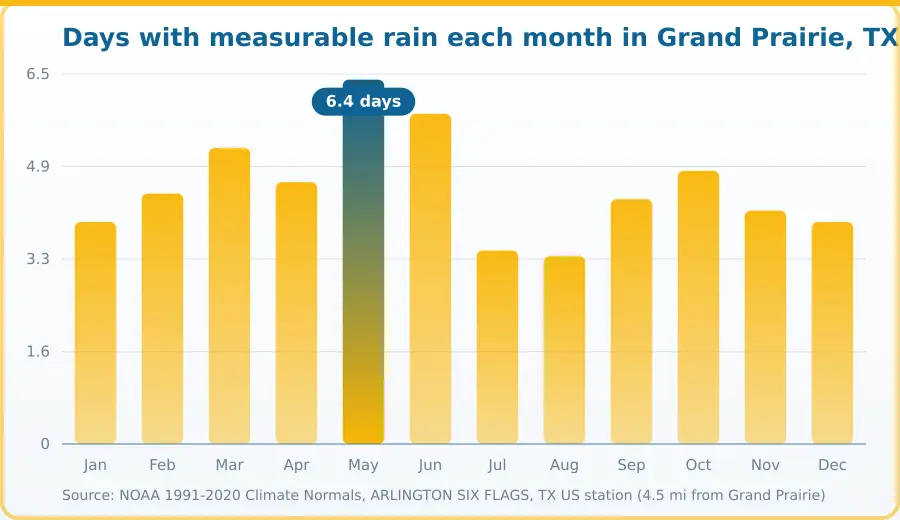
| Period | Days with measurable rain by month (days) |
|---|---|
| Jan | 3.9 |
| Feb | 4.4 |
| Mar | 5.2 |
| Apr | 4.6 |
| May | 6.4 |
| Jun | 5.8 |
| Jul | 3.4 |
| Aug | 3.3 |
| Sep | 4.3 |
| Oct | 4.8 |
| Nov | 4.1 |
| Dec | 3.9 |
Source: NOAA 1991-2020 Climate Normals, ARLINGTON SIX FLAGS, TX US station (4.5 mi from Grand Prairie). Retrieved October 27, 2026.
Crawl Space Mold Removal Through Grand Prairie's Seasons
Spring: Rising Moisture Risk
Spring rainfall increases groundwater pressure beneath homes, and crawl spaces become prime collection points for seeping moisture. Goff Mold Remediation connects property owners with local providers who assess crawl space ventilation, drainage, and early mold signs before warm weather accelerates growth.
Summer: Active Growth Period
Elevated heat and humidity intensify mold activity in crawl spaces, where poor air circulation traps warm, damp conditions year-round in Grand Prairie's humid subtropical climate. Early summer inspection and containment by local providers connected through Goff Mold Remediation can prevent colonies from expanding into living spaces above.
Fall: Preparation and Prevention
Cooling temperatures and drying trends create a window to address crawl space moisture before winter moisture patterns return. Goff Mold Remediation helps property owners in areas like Greenway Trails and Mountain Creek connect with local providers for drainage repairs, encapsulation, and mold removal while conditions are favorable for thorough work.
Winter: Hidden Expansion
Cold weather reduces visible mold activity in crawl spaces, but moisture from temperature swings and reduced ventilation can fuel silent growth beneath the surface. Winter inspections by providers connected through Goff Mold Remediation uncover problems that summer heat will reactivate, catching infestations before they spread to upper levels.
Related Services
Crawl Space Mold Removal FAQs — Grand Prairie, TX
Crawl space mold removal typically includes inspection to locate affected areas, containment to prevent spore spread, removal of contaminated materials, thorough cleaning and treatment of surfaces, and addressing moisture sources. The independent providers Goff connects you to will assess the extent of growth, outline the removal approach, and work to restore healthy air quality in your crawl space.
Goff Mold Remediation works to connect you with local mold removal providers in Grand Prairie quickly so you can address the problem without delay. Contact us to get matched with an independent provider in your area who can schedule an assessment and discuss next steps on a timeline that works for your property.
Crawl space mold removal costs depend on factors like the size of the affected area, extent of mold growth, moisture source severity, required materials removal, and ventilation improvements. The independent provider you're connected with will assess your crawl space and discuss pricing based on your specific situation.
Before removal begins, clear access to your crawl space if possible and remove personal items stored there. The independent provider will handle containment, protective measures, and the removal process itself. They'll communicate what to expect during the work and any precautions your household should take while they're on site.
After removal, controlling moisture is key to preventing recurrence. Ensure proper crawl space ventilation, maintain gutters and downspouts to direct water away from the foundation, and monitor humidity levels. The provider handling your removal can recommend ongoing maintenance steps and warning signs to watch for in your Grand Prairie home.
Grand Prairie's humid subtropical climate keeps moisture pressure on homes consistently throughout the year. Crawl spaces are particularly vulnerable to mold growth because they naturally collect moisture and have limited air circulation. This ongoing moisture exposure means staying alert to mold risk and addressing any signs promptly with professional removal.
Homeowner Safety Toolkit
Verify Your Grand Prairie, TX Mold Remediation Company
Before you hire anyone, use these independent national resources to confirm credentials, standards, and track record.
ACAC
An independently accredited certifying body for mold inspectors and consultants — one of the few in this field whose standards are verified by an outside accreditation board, not just self-declared.
Find a Certified InspectorBBB
Look up any mold remediation company's complaint history, customer reviews, and accreditation status — a free, independent check before you hire.
Check StandingCDC
Covers the health effects of mold exposure and safe cleanup practices, separate from the remediation work itself — useful if anyone in the home has respiratory symptoms.
Mold Health GuideDealing with Crawl Space Mold Removal in Grand Prairie, TX? Call (972) 449-9488 for 24/7 help.
Call Now — (972) 449-9488Areas We Serve in Grand Prairie, Texas
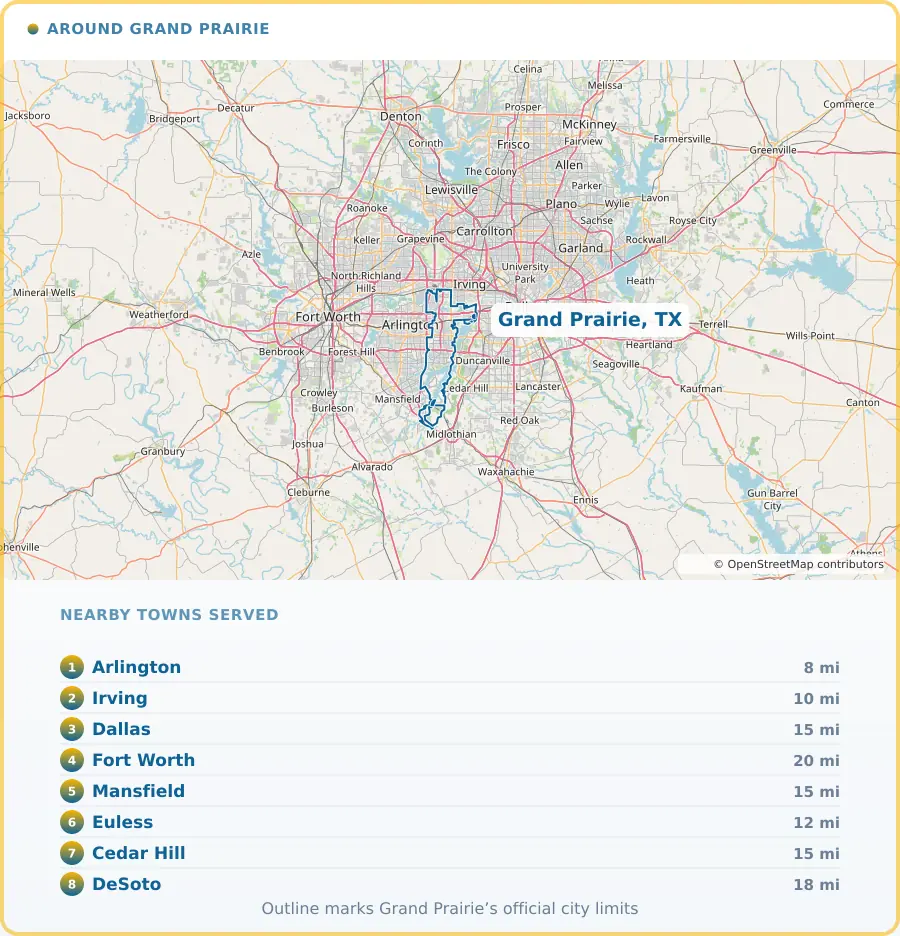
Coverage centres on Grand Prairie, TX and reaches 8 surrounding communities. Response time is what matters most in the hours after a problem is found, so knowing the ground is part of the job.
Grand Prairie, TX Information
Wedged neatly between Dallas and Fort Worth, Grand Prairie has built its own identity out of that in-between address. Roughly 196,100 people call it home, and the city's economy runs on a sturdy mix of aerospace and defense work, with Lockheed Martin and Raytheon Technologies anchoring a manufacturing base that's been around long enough to matter. Add in a growing logistics and distribution scene, plus retail and construction keeping pace with the Metroplex's expansion, and you get a city that stays busy without losing its footing.
Grand Prairie also knows how to have fun: Lone Star Park and Epic Waters Indoor Waterpark draw visitors well beyond city lines. Neighborhoods like Lynn Creek and South Grand Prairie reflect a community that's practical, welcoming, and quietly proud of its place in North Texas.
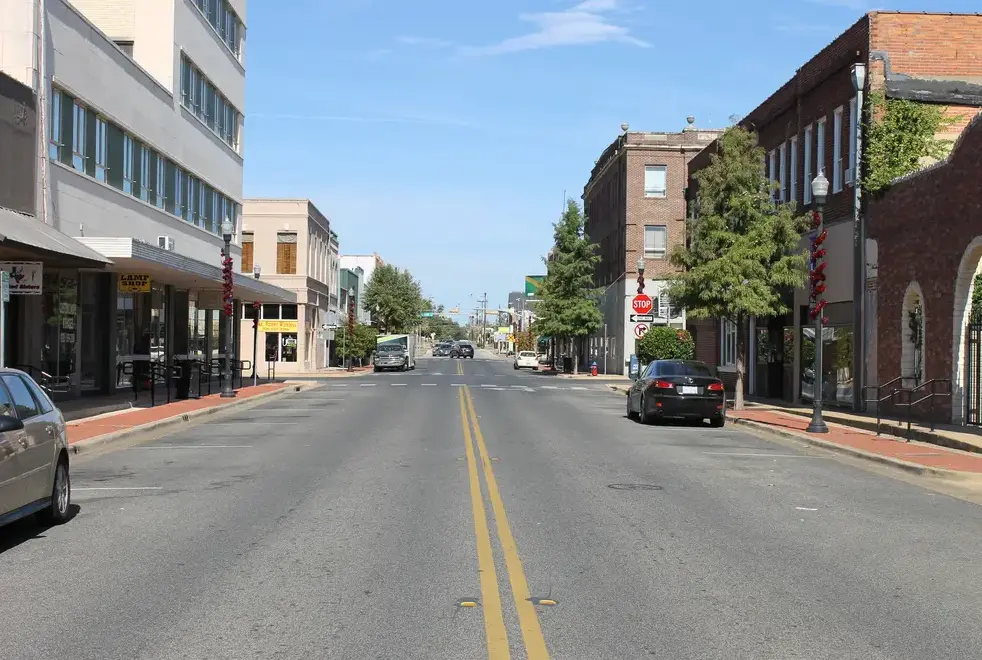
Photo: Billy Hathorn, CC BY-SA 3.0