

Real Estate Mold Inspection in Grand Prairie, TX
Grand Prairie's humid subtropical climate maintains steady moisture levels throughout the year, creating persistent conditions that support mold growth in homes, particularly in attics, bathrooms, and air conditioning systems. Real Estate Mold Inspection identifies these problem areas before they compromise indoor air quality or structural integrity, giving property owners in neighborhoods like Greenway Trails and Prairie Ridge clear visibility into moisture issues that routine inspections often miss. Connecting with a local mold inspection provider through Goff Mold Remediation puts you in direct contact with someone who understands how North Texas humidity affects your specific property.
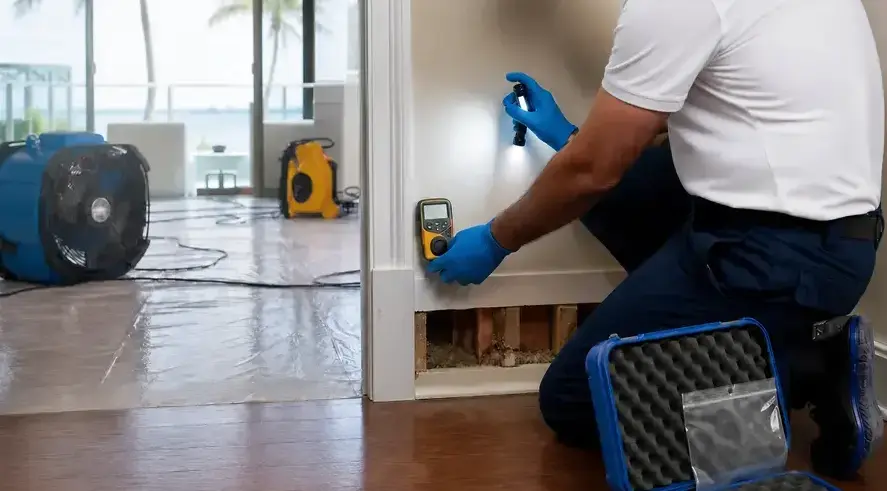
What does a mold inspection mean for a Grand Prairie, TX home sale?
Testing is worth paying for when it answers a question looking cannot. Below is what EPA says sampling establishes, and what it does not.
Standards or Threshold Limit Values (TLVs) for airborne concentrations of mold, or mold spores, have not been set.EPA
Currently, there are no EPA regulations or standards for airborne mold contaminants.EPA
That matters more in a transaction than anywhere else, because it means no result can make a house pass or fail. What an inspection can establish is where moisture is getting in and whether a previous clean-up actually worked — which is what a buyer, a seller and a lender are each really asking.
Surface sampling may be useful to determine if an area has been adequately cleaned or remediated.EPA
In Grand Prairie, 10.2% of homes predate 1960, and Dallas County has flood events on record in 29 separate years — both worth knowing before a sale rather than after.Source: US Census Bureau, American Community Survey 2023 5-year estimates, table B25034 — Grand Prairie city (70,407 housing units) · NOAA Storm Events Database, Dallas County (1996-2026; Flood, Flash Flood and Coastal Flood events)
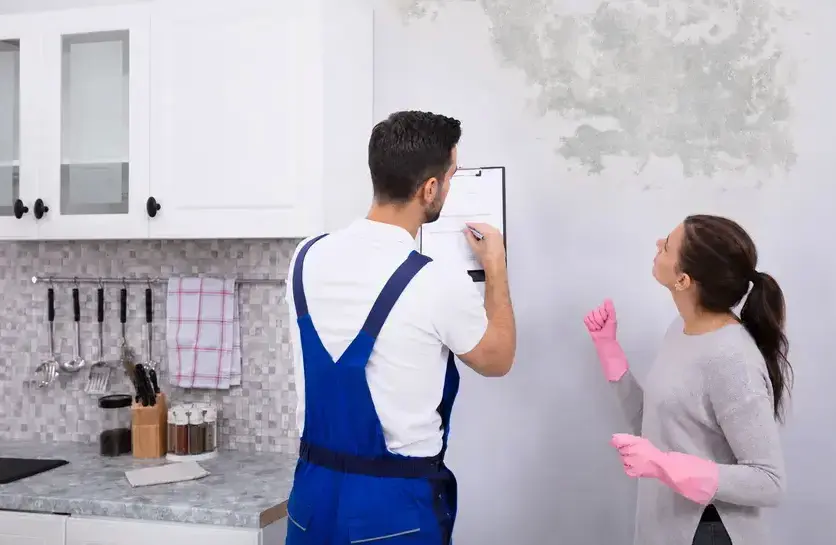
Real Estate Mold Inspection Matters in Grand Prairie
Grand Prairie's humid subtropical climate creates persistent moisture conditions throughout the year that can lead to mold growth in homes and commercial properties. Because most properties in the area are built on slab foundations, the typical vulnerability points—attics, bathrooms, and air conditioning systems—deserve close attention during any real estate transaction or property assessment. When moisture accumulates in these spaces, mold can develop quietly, affecting both the structural integrity of a building and the indoor air quality that occupants breathe every day. A thorough real estate mold inspection catches these issues early, giving property owners and buyers the clarity they need to make informed decisions.
Goff Mold Remediation connects property owners throughout Grand Prairie with independent local providers who specialize in real estate mold inspection. These professionals conduct detailed visual assessments and use moisture-detection tools to identify mold growth and moisture sources before problems escalate. They document their findings clearly so you understand exactly what exists in the property, where it is located, and what options are available for remediation if needed. Whether you're buying, selling, refinancing, or simply maintaining your property, a comprehensive real estate mold inspection provides the evidence-based foundation for your next steps.
Why Grand Prairie Property Owners Choose Goff Mold Remediation
Real Estate Mold Inspection Expertise
Real estate mold inspection requires knowledge of where moisture accumulates and how to document findings clearly. Goff connects you with local providers experienced in identifying mold growth patterns specific to property assessments and transaction needs.
Thorough Real Estate Mold Inspection Process
A complete real estate mold inspection covers visible and hidden moisture sources. Independent providers in the Goff network conduct systematic inspections of vulnerable areas, ensuring nothing is missed before you buy, sell, or refinance.
Clear Real Estate Mold Inspection Reporting
Real estate mold inspection results must be documented clearly for lenders, appraisers, and buyers. Goff connects you with providers who deliver straightforward, professional reports you can trust for any transaction stage.
Year-Round Moisture Pressure in Grand Prairie
North Texas humidity keeps indoor moisture levels elevated throughout much of the year, creating persistent conditions for mold growth. Real estate mold inspection becomes especially important here—attics, bathrooms, and cooling systems are frequent trouble spots that need careful assessment.
How the Real Estate Mold Inspection Process Works
Connect with a Local Real Estate Mold Inspector
Tell us about your property concerns, and we'll connect you with an independent mold inspection provider in Grand Prairie. They'll schedule a visit at your convenience to assess potential mold growth in attics, bathrooms, and HVAC systems—the areas most vulnerable to moisture accumulation in our region's humid climate.
Receive Your Real Estate Mold Inspection Report
The inspector documents findings with photos and detailed results, identifying moisture sources and affected areas. You'll receive a clear report outlining what was found and what the independent provider recommends for remediation or further testing.
Get Real Estate Mold Remediation & Follow-Up
If mold is present, the local remediation provider handles containment, removal, and drying. After work is complete, a follow-up inspection confirms successful treatment and helps you understand steps to manage moisture and reduce recurrence risk in your property.
Navigating a Real Estate Mold Inspection in Grand Prairie? Get fast, professional support.
Call Now — (972) 449-9488Real Estate Mold Inspection Across Grand Prairie
Grand Prairie's humid subtropical climate means moisture pressure on homes stays consistently elevated throughout much of the year, not just during wet seasons. This ongoing moisture load makes real estate mold inspection a critical step in any property transaction or ownership decision. Because slab foundations are the standard construction method across the area due to the region's expansive clay soils, moisture vulnerabilities tend to concentrate in attics, bathrooms, and air conditioning systems—the zones where condensation and water intrusion create ideal conditions for mold colonization. A thorough real estate mold inspection addresses these specific risk points rather than treating all properties identically.
Whether you're evaluating a home in an established neighborhood like Greenway Trails or a newer development such as Mountain Creek, the inspection priorities remain consistent: identifying active moisture sources, assessing ventilation adequacy, and detecting mold growth before it becomes a structural or indoor air quality concern. Goff Mold Remediation connects you with independent local inspection and remediation providers who understand how Grand Prairie's climate and construction patterns create these recurring moisture challenges, ensuring your real estate decision is informed by a complete picture of the property's condition.
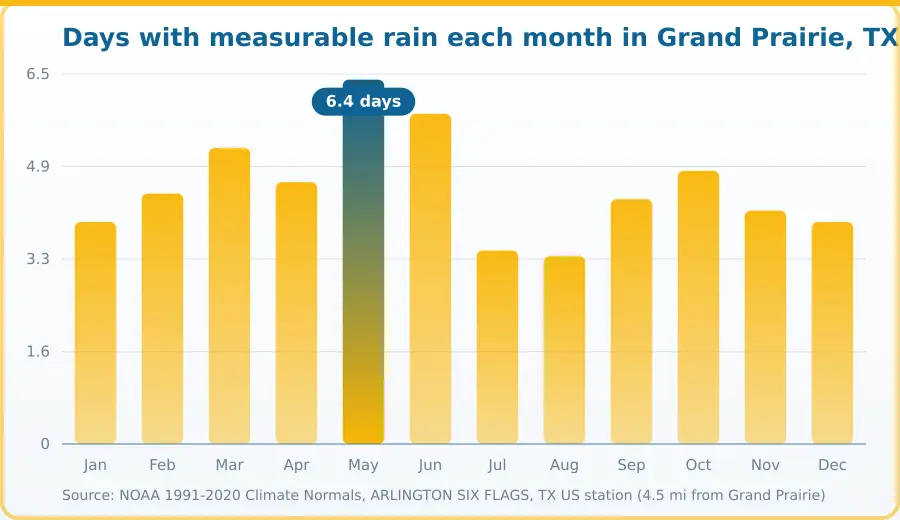
| Period | Days with measurable rain by month (days) |
|---|---|
| Jan | 3.9 |
| Feb | 4.4 |
| Mar | 5.2 |
| Apr | 4.6 |
| May | 6.4 |
| Jun | 5.8 |
| Jul | 3.4 |
| Aug | 3.3 |
| Sep | 4.3 |
| Oct | 4.8 |
| Nov | 4.1 |
| Dec | 3.9 |
Source: NOAA 1991-2020 Climate Normals, ARLINGTON SIX FLAGS, TX US station (4.5 mi from Grand Prairie). Retrieved October 27, 2026.
Real Estate Mold Inspection Through Grand Prairie's Seasons
Spring: Rising Moisture Risk
Spring rainfall increases soil moisture around slab foundations, and interior humidity begins climbing as temperatures warm. Real Estate Mold Inspection becomes especially valuable now, as mold spores activate and begin colonizing damp surfaces in attics, bathrooms, and around AC condensation lines before summer peak activity makes remediation more challenging.
Summer: Heat and Humidity
Summer heat drives air conditioning use intensively throughout properties, and condensation accumulates in ducts and around system components. Real Estate Mold Inspection during this season reveals active growth patterns that thrive in the warm, moisture-rich environment created by cooling cycles, helping property owners address colonies before they expand further into wall cavities and insulation.
Fall: Transition and Decay
As humidity levels remain elevated through early fall and leaf debris collects around exterior vents and roof lines, moisture can enter attics and upper-floor spaces. Real Estate Mold Inspection at this time identifies colonies establishing themselves in areas where airflow has weakened, positioning owners to remediate before winter traps moisture indoors and mold growth accelerates under closed conditions.
Winter: Year-Round Pressure
While cooler temperatures reduce outdoor mold spore counts, North Texas winters remain mild enough that interior moisture—from heating systems, bathroom use, and the region's naturally elevated humidity—keeps mold pressure steady indoors. Real Estate Mold Inspection in winter catches slow-growing colonies that have persisted through other seasons, ensuring thorough removal before spring moisture surge returns and accelerates activity once more.
Related Services
Real Estate Mold Inspection FAQs — Grand Prairie, TX
A real estate mold inspection examines your property for visible mold growth, moisture damage, and conditions that allow mold to thrive. The inspector checks attics, bathrooms, HVAC systems, walls, and other moisture-prone areas, then documents findings in a detailed report. This helps buyers and sellers understand the property's condition before closing.
Goff Mold Remediation connects you with independent local inspection providers in Grand Prairie who typically respond within 24 to 48 hours. The actual inspection usually takes 2 to 3 hours depending on property size. Once completed, you'll receive a comprehensive report to guide next steps.
Pricing for a real estate mold inspection depends on property size, age, construction type, and the number of areas inspected. Whether lab testing of samples is included also influences cost. Contact local providers through Goff Mold Remediation for quotes tailored to your Grand Prairie property's specific needs.
Before a real estate mold inspection, ensure the inspector has access to attics, crawl spaces, bathrooms, and mechanical areas. Clear clutter from under sinks and around HVAC units. Unlock doors and note any visible moisture stains or musty odors you've noticed. The provider will photograph and document findings during their visit.
After a real estate mold inspection reveals moisture issues, prevention involves controlling humidity and addressing water intrusion. Keep bathroom exhaust fans running, ensure proper drainage around your foundation, and maintain your HVAC system regularly. Early detection through inspection helps you address moisture before mold develops or spreads further.
North Texas experiences elevated moisture in the air throughout much of the year, not just during wet seasons. This constant humidity pressure creates ongoing conditions where mold can develop in attics, bathrooms, and around air conditioning systems. A real estate mold inspection reveals whether elevated indoor moisture has already caused growth in these typical problem areas.
Homeowner Safety Toolkit
Verify Your Grand Prairie, TX Mold Remediation Company
Before you hire anyone, use these independent national resources to confirm credentials, standards, and track record.
ACAC
An independently accredited certifying body for mold inspectors and consultants — one of the few in this field whose standards are verified by an outside accreditation board, not just self-declared.
Find a Certified InspectorBBB
Look up any mold remediation company's complaint history, customer reviews, and accreditation status — a free, independent check before you hire.
Check StandingCDC
Covers the health effects of mold exposure and safe cleanup practices, separate from the remediation work itself — useful if anyone in the home has respiratory symptoms.
Mold Health GuideArranging a Real Estate Mold Inspection in Grand Prairie, TX for a home sale or purchase? Call (972) 449-9488 for 24/7 help connecting with a local provider.
Call Now — (972) 449-9488Areas We Serve in Grand Prairie, Texas
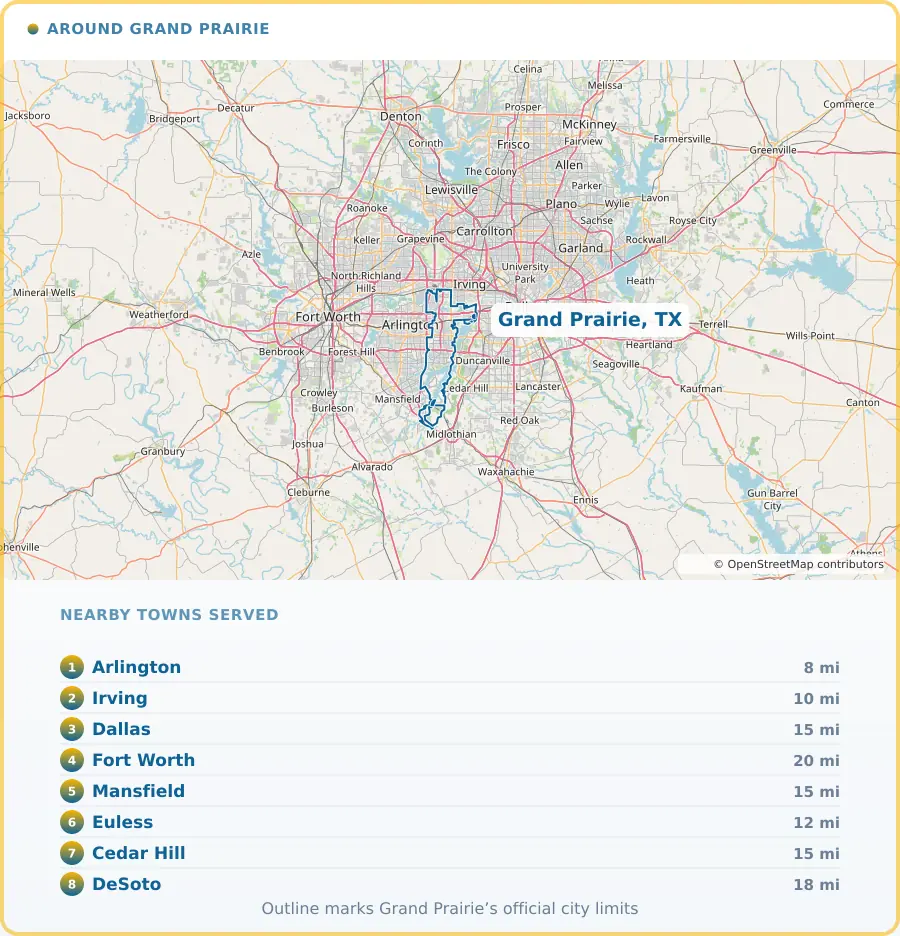
Coverage centres on Grand Prairie, TX and reaches 8 surrounding communities. Response time is what matters most in the hours after a problem is found, so knowing the ground is part of the job.
Grand Prairie, TX Information
Wedged neatly between Dallas and Fort Worth, Grand Prairie has built its own identity out of that in-between address. Roughly 196,100 people call it home, and the city's economy runs on a sturdy mix of aerospace and defense work, with Lockheed Martin and Raytheon Technologies anchoring a manufacturing base that's been around long enough to matter. Add in a growing logistics and distribution scene, plus retail and construction keeping pace with the Metroplex's expansion, and you get a city that stays busy without losing its footing.
Grand Prairie also knows how to have fun: Lone Star Park and Epic Waters Indoor Waterpark draw visitors well beyond city lines. Neighborhoods like Lynn Creek and South Grand Prairie reflect a community that's practical, welcoming, and quietly proud of its place in North Texas.
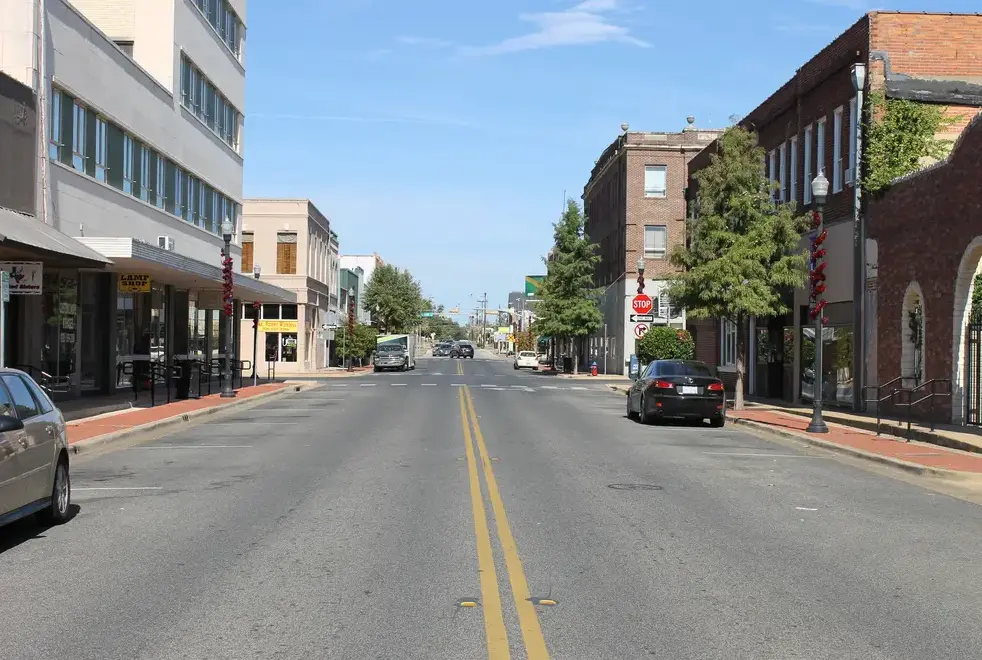
Photo: Billy Hathorn, CC BY-SA 3.0