

Kitchen Mold Removal in Grand Prairie, TX
North Texas's year-round humidity keeps moisture levels elevated in homes throughout Grand Prairie, creating sustained conditions where mold can develop in kitchens and beyond. Because slab foundations are typical in this area, water intrusion often surfaces in kitchens through plumbing issues, condensation from HVAC systems, or roof leaks rather than basement seepage, making early detection and removal critical to protect your home's interior. Goff Mold Remediation connects Grand Prairie property owners with local mold removal specialists who can identify kitchen mold at its source and address it thoroughly, helping you maintain indoor air quality and prevent costly damage.
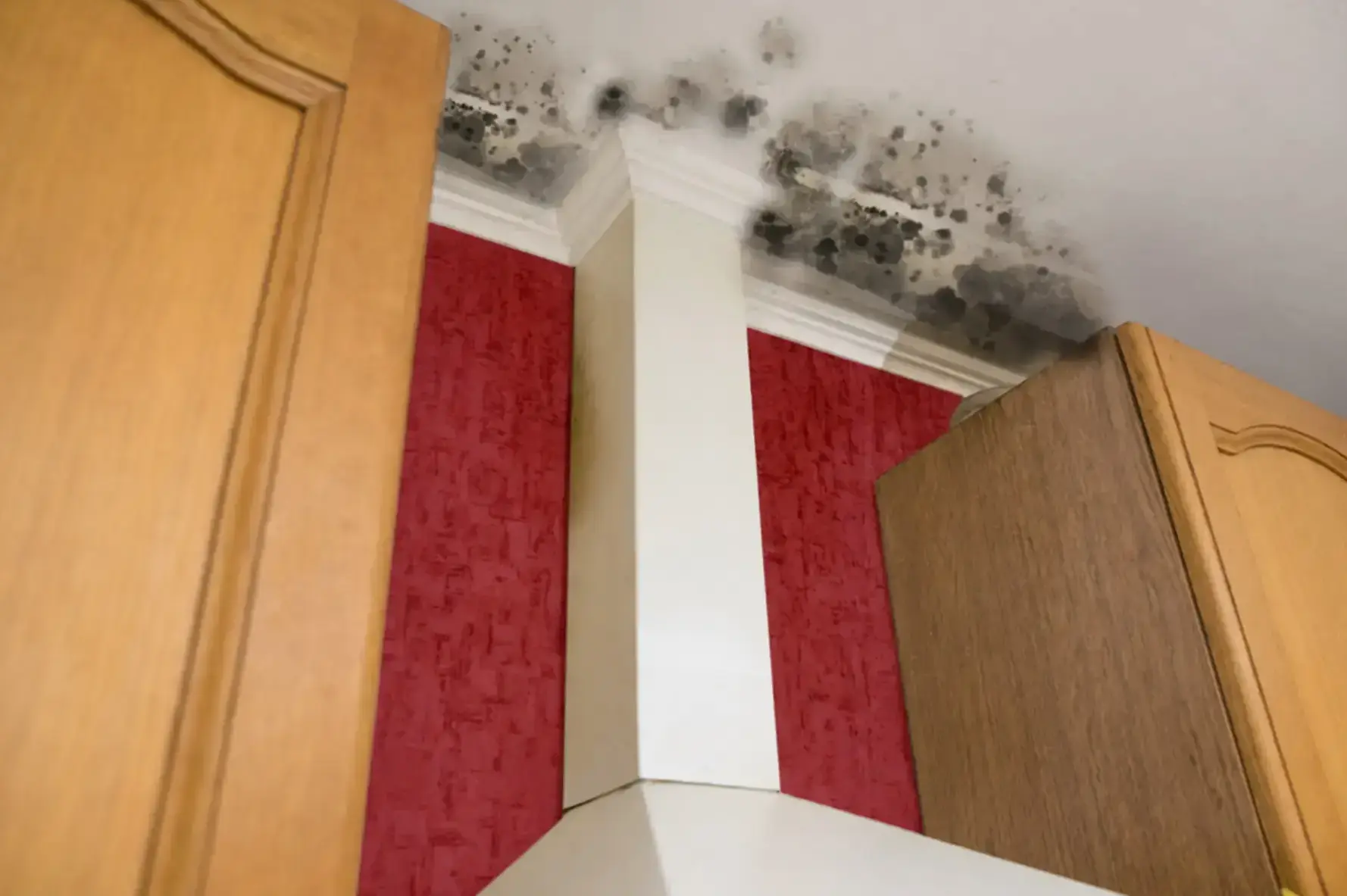
What gets cleaned in a kitchen, and what comes out
The honest answer to “does this come out, or can it be cleaned?” turns on two things — what the material is, and how many square feet are affected. Those are the two axes of the EPA’s own remediation table, reproduced below for the materials usually found in a kitchen.
| Material | Under 10 sq ftabout a cabinet door, or one ceiling tile | 10 to 100 sq ftroughly one wall, or a small bathroom | Over 100 sq ftmore than one room's worth of surface |
|---|---|---|---|
| Non-porous, hard surfacestile, stone or laminate counters, splashbacks and sinksEPA, Table 2 | Wet vacuumDamp wipeHEPA vacuum | Wet vacuumDamp wipeHEPA vacuum | Wet vacuumDamp wipeHEPA vacuum |
| Wood surfacescabinet boxes, toe kicks and shelvingEPA, Table 2 | Wet vacuumDamp wipeHEPA vacuum | Wet vacuumDamp wipeHEPA vacuum | Wet vacuumDamp wipeHEPA vacuumRemove and discard |
| Wallboardthe wall behind cabinets, the sink and the dishwasherEPA, Table 2 | HEPA vacuum | HEPA vacuumRemove and discard | HEPA vacuumRemove and discard |
| Hard surface, porous flooringvinyl or tile flooring and the subfloor beneath itEPA, Table 2 | Wet vacuumDamp wipeHEPA vacuum | Wet vacuumDamp wipeHEPA vacuum | Wet vacuumDamp wipeHEPA vacuumRemove and discard |
What those methods mean, in EPA's words
- Wet vacuum
Wet vacuums are vacuum cleaners designed to collect water. They can be used to remove water from floors, carpets and hard surfaces where water has accumulated.
EPA, cleanup methods- Damp wipe
Mold can generally be removed from nonporous (hard) surfaces by wiping or scrubbing with water, or water and detergent.
EPA, cleanup methods- HEPA vacuum
HEPA (High-Efficiency Particulate Air) vacuums are recommended for final cleanup of remediation areas after materials have been thoroughly dried and contaminated materials removed.
EPA, cleanup methods- Remove and discard
Building materials and furnishings that are contaminated with mold growth and are not salvageable should be double-bagged using 6-mil polyethylene sheeting.
EPA, cleanup methods
These guidelines are for damage caused by clean water. If you know or suspect that the water source is contaminated with sewage, or chemical or biological pollutants, then Personal Protective Equipment and containment are required by OSHA.
EPA, Table 1Porous materials that are wet and have mold growing on them may have to be discarded.
EPA, cleanup methodsMold can grow on wood, drywall, carpet and furniture if they remain wet for more than 24 hours.
EPA, flood cleanup
Under-sink and behind-appliance leaks are slow, so the cabinet floor and the wall behind are usually worse than anything visible at the front. Cabinet boxes are the awkward case: the carcase is wood, so EPA's wood guidance applies, but particleboard and MDF behave more like wallboard once they have swollen. Counters, splashbacks and sinks clean up and stay.
In Grand Prairie, 10.2% of homes predate 1960 and 14.6% were built from 2010 onwards.Source: US Census Bureau, American Community Survey 2023 5-year estimates, table B25034 — Grand Prairie city (70,407 housing units)
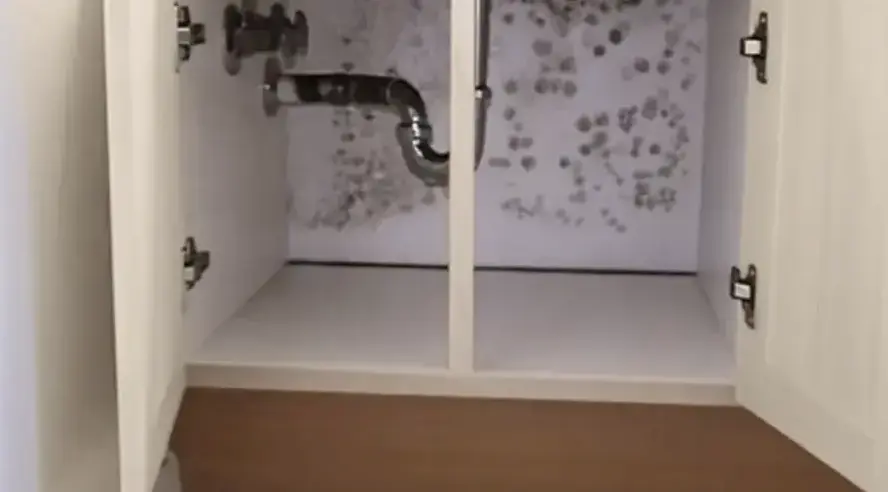
Kitchen Mold Removal Services for Grand Prairie Homes
Grand Prairie's humid subtropical climate creates persistent moisture challenges year-round, keeping indoor humidity levels elevated well beyond seasonal storm periods. This constant moisture pressure makes kitchens particularly vulnerable to mold growth, since they combine cooking steam, sink splash, and appliance condensation in one active space. Homes built on slab foundations—the standard construction method throughout Grand Prairie due to the region's expansive clay soil—depend heavily on proper drainage and ventilation to manage this moisture load, and when kitchens lack adequate airflow or drainage, mold can establish itself quickly on walls, under sinks, around windows, and along cabinet edges.
Goff Mold Remediation connects Grand Prairie property owners with independent local providers who specialize in identifying and removing kitchen mold at its source. The process goes beyond surface cleaning: providers assess moisture entry points, check for hidden mold in wall cavities and behind cabinetry, and address the underlying conditions—poor ventilation, plumbing leaks, or condensation buildup—that allow mold to return. Whether the problem is confined to visible spots or has spread into structural cavities, this approach ensures thorough removal and helps protect indoor air quality for your household. If you suspect kitchen mold in your Grand Prairie home, connecting with a local provider through Goff puts the right remediation expertise just a call away.
Why Grand Prairie Homeowners Choose Kitchen Mold Removal
Fast Kitchen Mold Removal
Kitchen mold removal works best when addressed quickly. Goff connects you with local providers who respond promptly, minimizing moisture exposure and preventing mold from spreading deeper into walls and cabinetry.
Thorough Kitchen Mold Removal
Kitchen mold removal requires identifying moisture sources—leaks, condensation, ventilation gaps—and treating affected surfaces completely. Independent providers in our network take time to remove visible and hidden mold, addressing root causes so removal lasts.
Clear Kitchen Mold Removal Process
Kitchen mold removal should never feel mysterious. Goff partners with local providers who explain what they find, how they'll remove it safely, and what steps protect your kitchen and indoor air quality going forward.
Year-Round Moisture Control Matters
North Texas humidity keeps moisture pressure on homes throughout the year, not just seasonally. Kitchens—with appliances, sinks, and ventilation challenges—face constant mold risk. Kitchen mold removal by local providers connected through Goff addresses this persistent threat effectively.
How Our Kitchen Mold Removal Process Works
Schedule Your Kitchen Mold Removal Visit
Contact Goff Mold Remediation to describe kitchen mold concerns in your Grand Prairie home. We connect you with a local independent provider who will schedule an inspection to assess the extent and location of kitchen mold growth.
Professional Kitchen Mold Assessment
The independent provider inspects your kitchen—including under-sink cabinets, around windows, and near appliances—to identify active kitchen mold and moisture sources. In Grand Prairie's humid climate, kitchens face constant moisture pressure that creates ideal conditions for mold to develop and spread.
Kitchen Mold Removal and Moisture Control
Once kitchen mold is confirmed, the provider removes affected materials safely, treats contaminated surfaces, and addresses the moisture source driving kitchen mold growth. Follow-up guidance helps prevent kitchen mold from returning and protects your home's air quality long-term.
Dealing with Kitchen Mold Removal in Grand Prairie? Get fast, professional help.
Call Now — (972) 449-9488Kitchen Mold Removal Across Grand Prairie Homes
Grand Prairie's humid subtropical climate creates steady moisture pressure on homes year-round, making kitchens particularly vulnerable to mold growth. Because most properties in the area are built on slab foundations—a response to the region's expansive clay soil—attics, bathrooms, and air conditioning systems become the primary pathways for moisture to accumulate indoors. Kitchens, however, face their own concentrated risk: cooking steam, sink leaks, dishwasher condensation, and plumbing runs all introduce persistent dampness that mold colonies thrive on, especially in spaces with limited air circulation or older ventilation systems.
Whether your home is in an established neighborhood like Greenway Trails or a newer section of South Grand Prairie, the combination of constant humidity and the kitchen's heavy moisture load means mold can develop quickly behind cabinets, under countertops, or along grout lines if conditions aren't actively managed. Early detection and thorough removal are essential to protect both the integrity of cabinetry and finishes and the air quality your family breathes. Goff Mold Remediation connects you with local inspection and remediation providers who understand how Grand Prairie's climate and home construction patterns affect kitchen mold risk, so you can address growth before it spreads.
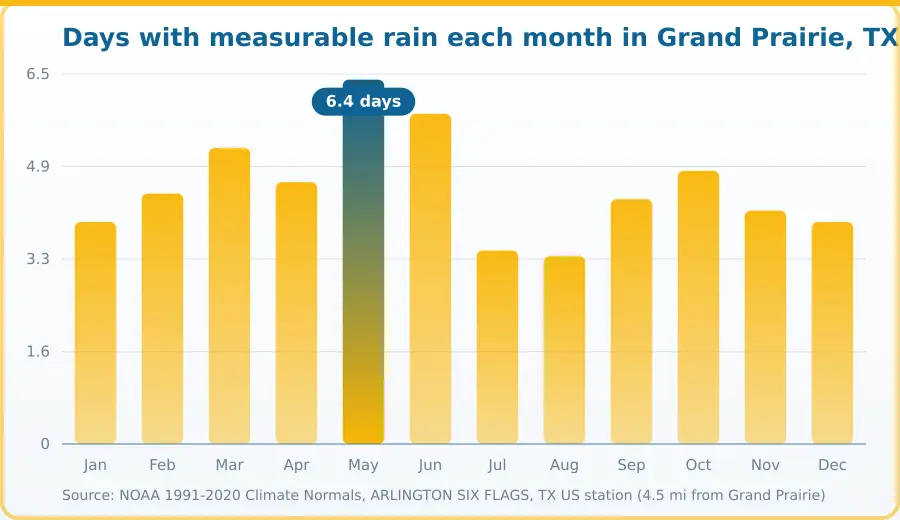
| Period | Days with measurable rain by month (days) |
|---|---|
| Jan | 3.9 |
| Feb | 4.4 |
| Mar | 5.2 |
| Apr | 4.6 |
| May | 6.4 |
| Jun | 5.8 |
| Jul | 3.4 |
| Aug | 3.3 |
| Sep | 4.3 |
| Oct | 4.8 |
| Nov | 4.1 |
| Dec | 3.9 |
Source: NOAA 1991-2020 Climate Normals, ARLINGTON SIX FLAGS, TX US station (4.5 mi from Grand Prairie). Retrieved October 27, 2026.
Kitchen Mold Removal Through Grand Prairie's Seasons
Spring: Moisture Awakening
Spring rainfall increases indoor moisture levels, and kitchen mold thrives where steam from cooking, dishwashing, and ventilation meets cool surfaces. Goff Mold Remediation connects you with local providers who inspect and remove mold from kitchen walls, cabinets, and exhaust areas before it spreads deeper into your home.
Summer: Heat and Humidity
Summer heat drives air conditioning use year-round in this region, and condensation buildup on AC lines, refrigerator coils, and kitchen plumbing creates ideal conditions for kitchen mold growth. Local removal specialists in the Goff network address these moisture-prone kitchen zones before mold impacts indoor air quality in your home.
Fall: Humidity Remains Constant
The humid subtropical climate of North Texas maintains elevated moisture throughout fall, keeping kitchens vulnerable to mold even as outdoor temperatures drop. In Grand Prairie, where slab foundations are standard and attics and AC systems are common problem areas, kitchens remain a persistent risk point—Goff connects you with local providers who remove active kitchen mold and address the moisture sources keeping it alive.
Winter: Cold-Weather Condensation
Winter temperature swings between heated interiors and cooler outdoor air increase condensation on kitchen windows, pipes, and walls. Mold colonies that took hold during warmer months continue spreading in these moisture-rich environments, and Goff's network of local removal specialists can eliminate kitchen mold before it becomes entrenched in your home's structure.
Related Services
Kitchen Mold Removal FAQs — Grand Prairie, TX
Kitchen mold removal starts with inspection to identify affected areas—typically around sinks, under cabinets, near windows, or behind appliances where moisture collects. The independent provider will contain the area, remove contaminated materials safely, treat surfaces, and address the moisture source. Drying and ventilation follow to restore normal indoor air quality and prevent regrowth.
Goff Mold Remediation connects Grand Prairie property owners with local independent mold removal providers who can respond to your situation. Contact us to describe your kitchen mold concern, and we'll match you with a nearby provider ready to assess and address the problem promptly.
Kitchen mold removal pricing depends on the size of the affected area, materials involved (drywall, cabinetry, flooring), how deep the moisture has penetrated, and whether the moisture source requires repair. The independent provider you're connected with will evaluate your kitchen and provide a cost estimate based on what the job requires.
Before the independent provider arrives, clear countertops and move portable items away from affected zones to allow full access. Keep family members and pets out of the kitchen during removal work. The provider will handle containment and safety precautions; follow their guidance on ventilation and any temporary kitchen use restrictions.
After removal, keep kitchen humidity in check by using exhaust fans during cooking and after showers, wiping down wet surfaces promptly, and fixing any leaks under sinks or around appliances immediately. Ensure good air circulation and address standing water or condensation on windows. The provider may also recommend improvements to moisture control in your space.
Grand Prairie's humid subtropical climate means moisture pressure on homes remains fairly steady throughout much of the year, not just seasonally. This constant humidity makes kitchens—where cooking and plumbing create additional moisture—especially prone to mold growth. Regular ventilation, prompt leak repair, and keeping surfaces dry are critical year-round defenses in this region.
Homeowner Safety Toolkit
Verify Your Grand Prairie, TX Mold Remediation Company
Before you hire anyone, use these independent national resources to confirm credentials, standards, and track record.
ACAC
An independently accredited certifying body for mold inspectors and consultants — one of the few in this field whose standards are verified by an outside accreditation board, not just self-declared.
Find a Certified InspectorBBB
Look up any mold remediation company's complaint history, customer reviews, and accreditation status — a free, independent check before you hire.
Check StandingCDC
Covers the health effects of mold exposure and safe cleanup practices, separate from the remediation work itself — useful if anyone in the home has respiratory symptoms.
Mold Health GuideDealing with Kitchen Mold Removal in Grand Prairie, TX? Call (972) 449-9488 for 24/7 help.
Call Now — (972) 449-9488Areas We Serve in Grand Prairie, Texas
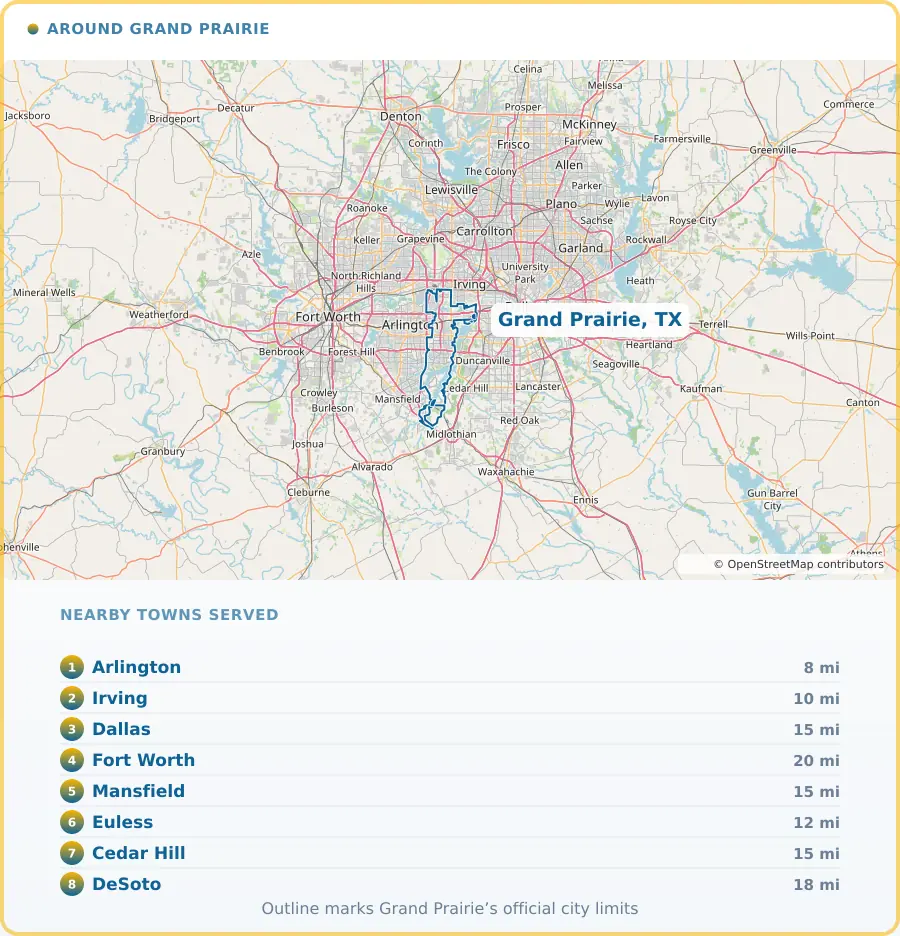
Coverage centres on Grand Prairie, TX and reaches 8 surrounding communities. Response time is what matters most in the hours after a problem is found, so knowing the ground is part of the job.
Grand Prairie, TX Information
Wedged neatly between Dallas and Fort Worth, Grand Prairie has built its own identity out of that in-between address. Roughly 196,100 people call it home, and the city's economy runs on a sturdy mix of aerospace and defense work, with Lockheed Martin and Raytheon Technologies anchoring a manufacturing base that's been around long enough to matter. Add in a growing logistics and distribution scene, plus retail and construction keeping pace with the Metroplex's expansion, and you get a city that stays busy without losing its footing.
Grand Prairie also knows how to have fun: Lone Star Park and Epic Waters Indoor Waterpark draw visitors well beyond city lines. Neighborhoods like Lynn Creek and South Grand Prairie reflect a community that's practical, welcoming, and quietly proud of its place in North Texas.
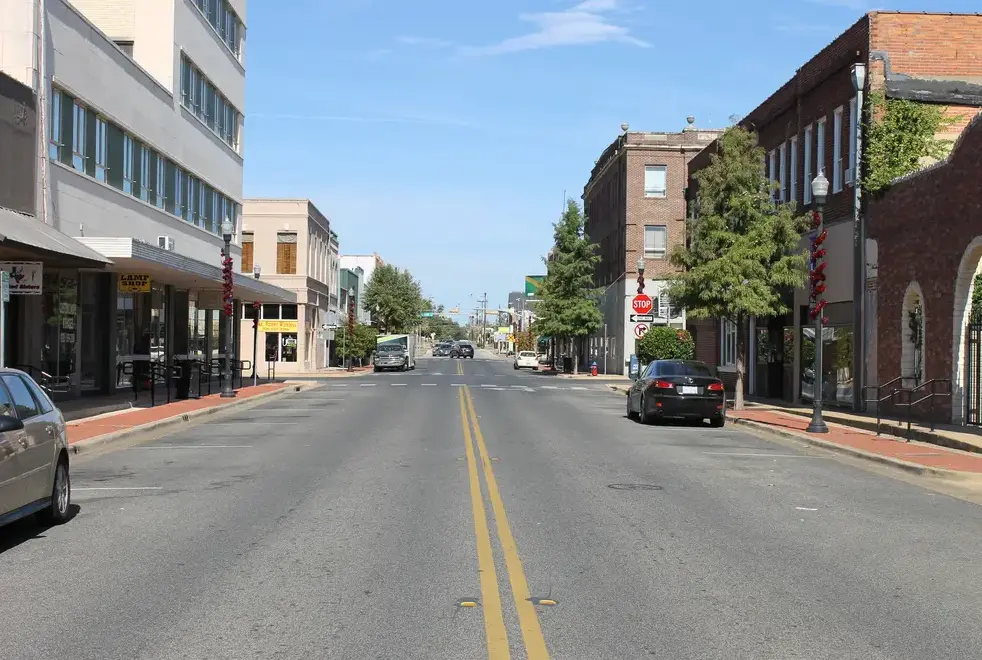
Photo: Billy Hathorn, CC BY-SA 3.0