

Commercial Mold Remediation in Grand Prairie, TX
Grand Prairie's humid subtropical climate and year-round moisture exposure create persistent conditions for mold growth in commercial spaces, particularly in attics, bathrooms, and HVAC systems where condensation and water infiltration accumulate. Commercial Mold Remediation in Grand Prairie, TX addresses these moisture-prone areas through safe containment and thorough removal by independent local providers, protecting indoor air quality and building integrity for your business.
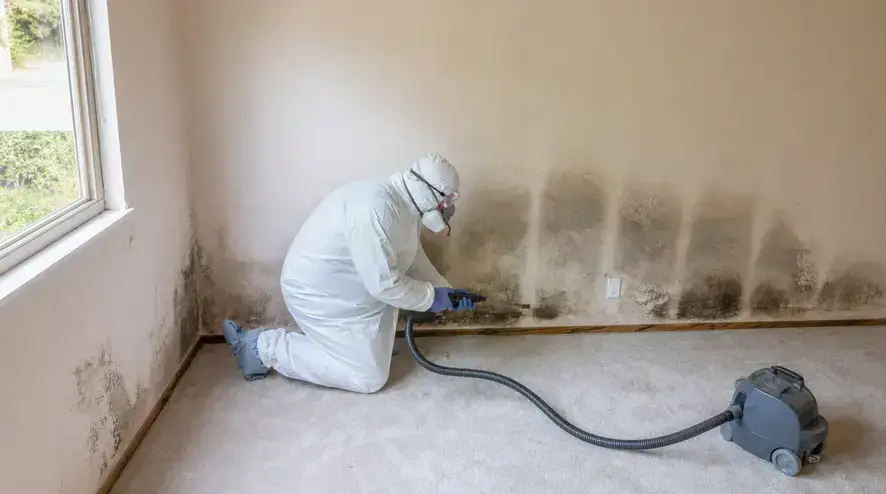
What gets cleaned in a commercial building, and what comes out
The honest answer to “does this come out, or can it be cleaned?” turns on two things — what the material is, and how many square feet are affected. Those are the two axes of the EPA’s own remediation table, reproduced below for the materials usually found in a commercial building.
| Material | Under 10 sq ftabout a cabinet door, or one ceiling tile | 10 to 100 sq ftroughly one wall, or a small bathroom | Over 100 sq ftmore than one room's worth of surface |
|---|---|---|---|
| Carpet and backingbroadloom or tile carpet and its backingEPA, Table 2 | Wet vacuumHEPA vacuum | Wet vacuumHEPA vacuumRemove and discard | Wet vacuumHEPA vacuumRemove and discard |
| Wallboardpartition walls and demountable panelsEPA, Table 2 | HEPA vacuum | HEPA vacuumRemove and discard | HEPA vacuumRemove and discard |
| Non-porous, hard surfacessealed floors, metal fixtures and glazingEPA, Table 2 | Wet vacuumDamp wipeHEPA vacuum | Wet vacuumDamp wipeHEPA vacuum | Wet vacuumDamp wipeHEPA vacuum |
| Concrete or cinder blockslabs, cores and block wallsEPA, Table 2 | Wet vacuumHEPA vacuum | Wet vacuumHEPA vacuum | Wet vacuumHEPA vacuum |
| Books and papersstored files, stock and cardboardEPA, Table 2 | HEPA vacuum | HEPA vacuum | HEPA vacuum |
What those methods mean, in EPA's words
- Wet vacuum
Wet vacuums are vacuum cleaners designed to collect water. They can be used to remove water from floors, carpets and hard surfaces where water has accumulated.
EPA, cleanup methods- Damp wipe
Mold can generally be removed from nonporous (hard) surfaces by wiping or scrubbing with water, or water and detergent.
EPA, cleanup methods- HEPA vacuum
HEPA (High-Efficiency Particulate Air) vacuums are recommended for final cleanup of remediation areas after materials have been thoroughly dried and contaminated materials removed.
EPA, cleanup methods- Remove and discard
Building materials and furnishings that are contaminated with mold growth and are not salvageable should be double-bagged using 6-mil polyethylene sheeting.
EPA, cleanup methods
Removed and replaced, whatever the area
- Ceiling tiles — drop-ceiling tiles and grid infill.
Discard and replace.
EPA, Table 1This is the action EPA's water-damage table gives for ceiling tiles. It is the one material here with no size threshold to weigh.
These guidelines are for damage caused by clean water. If you know or suspect that the water source is contaminated with sewage, or chemical or biological pollutants, then Personal Protective Equipment and containment are required by OSHA.
EPA, Table 1Porous materials that are wet and have mold growing on them may have to be discarded.
EPA, cleanup methodsMold can grow on wood, drywall, carpet and furniture if they remain wet for more than 24 hours.
EPA, flood cleanup
Commercial interiors add two materials that rarely survive — drop-ceiling tile and tile carpet — and both are usually cheaper to replace than to clean around. Sealed floors, glazing and structural concrete stay. Stock, files and cardboard are judged as paper, which EPA treats as a HEPA-vacuum item at every size rather than a removal.
Grand Prairie's housing splits roughly 10.2% before 1960 and 14.6% from 2010 on — two very different sets of problems.Source: US Census Bureau, American Community Survey 2023 5-year estimates, table B25034 — Grand Prairie city (70,407 housing units)
Commercial Mold Remediation Services in Grand Prairie, TX
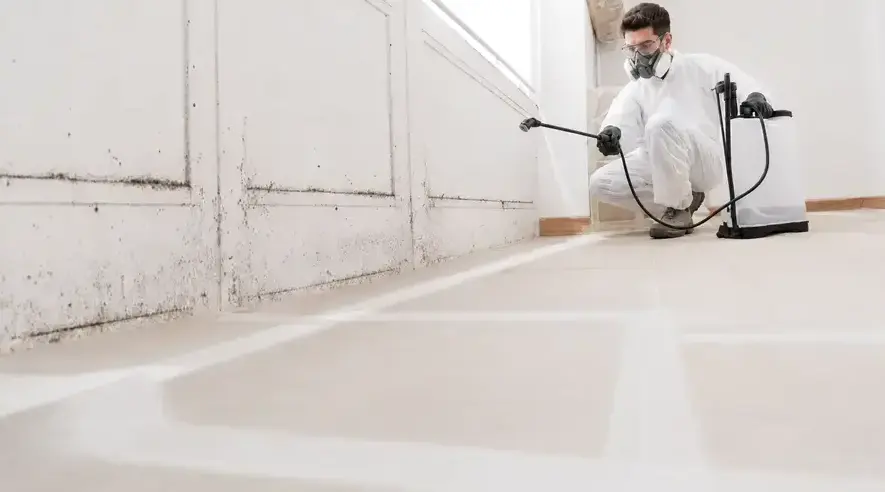
Grand Prairie's humid subtropical climate creates persistent moisture conditions that affect commercial properties year-round, not merely during rainy seasons. This steady moisture pressure, combined with the region's typical building practices, means that offices, retail spaces, warehouses, and other commercial facilities in Grand Prairie frequently develop mold in attics, HVAC systems, and bathrooms—areas where condensation and water intrusion accumulate over time. For business owners and property managers, mold growth poses both operational risks and indoor air quality concerns that can affect occupants and facility integrity. Commercial Mold Remediation is essential to address these issues thoroughly before they compromise the building or create health-related complications.
Goff Mold Remediation connects Grand Prairie property owners with independent local providers who specialize in Commercial Mold Remediation tailored to commercial buildings and facilities. These providers conduct detailed inspections to identify the full scope of mold presence, contain affected areas safely, remove contaminated materials, and address the moisture sources driving the problem. Their approach emphasizes thoroughness and follow-up testing to confirm that remediation is complete and that conditions support normal indoor air quality. By working with a local provider matched to your commercial property's specific needs, you gain access to responsive service and ongoing support that protects your building and the people within it.
Why Grand Prairie Businesses Choose Goff for Commercial Mold Remediation
Fast Local Response
Commercial Mold Remediation demands quick action to minimize downtime and contamination spread. Goff connects you with independent local providers in Grand Prairie who respond rapidly to your call and begin assessment without unnecessary delays.
Thorough Commercial Mold Remediation
Commercial Mold Remediation requires containment, safe removal, and restoration of affected areas. The independent providers in Goff's network perform detailed inspections, properly isolate problem zones, and execute complete remediation to restore air quality and structural integrity.
Clear Communication Throughout
Commercial Mold Remediation involves technical decisions and health considerations that demand transparency. Goff partners with local providers who explain findings, treatment methods, and next steps in plain language so you understand the work and its scope.
Attic & AC System Expertise
Grand Prairie's year-round humidity keeps moisture pressure constant on commercial buildings. Many businesses here face mold growth in attics and air-handling systems. Goff connects you with local providers experienced in identifying and addressing Commercial Mold Remediation in these high-risk zones.
How Our Commercial Mold Remediation Process Works
Connect with a Local Commercial Mold Provider
Tell us about your commercial mold concern in Grand Prairie, and we'll connect you with an independent local provider ready to assess your property. They'll schedule a time that works for your business operations.
Receive a Detailed Commercial Mold Inspection
The provider performs a thorough inspection to identify mold growth, moisture sources, and affected areas—paying close attention to attics, bathrooms, and HVAC systems where mold commonly develops in North Texas properties. You'll receive clear findings and a remediation plan.
Execute Commercial Mold Remediation and Verification
The provider removes mold, addresses underlying moisture, and restores affected areas using containment and remediation practices. Follow-up verification confirms the work is complete and your indoor air quality has improved.
Dealing with Commercial Mold Remediation in Grand Prairie? Get fast, professional help.
Call Now — (972) 449-9488Commercial Mold Remediation Across Grand Prairie
Grand Prairie's humid subtropical climate keeps moisture levels elevated throughout much of the year, creating persistent conditions that support mold growth in commercial buildings. The region's expansive clay soil foundation design means most structures rest on slab foundations, which shifts moisture vulnerabilities to overhead systems—particularly attic spaces, HVAC equipment, and bathroom areas where condensation and water intrusion commonly occur. For business owners in neighborhoods like Greenway Trails and Prairie Ridge, this means commercial mold remediation often focuses on these specific zones rather than below-grade moisture sources found in other regions.
When mold takes hold in a commercial property, swift identification and containment become critical to protecting indoor air quality and business continuity. The providers Goff Mold Remediation connects you with offer local knowledge of how Grand Prairie's climate patterns affect commercial buildings, allowing them to design remediation approaches suited to the moisture pressures your property actually faces. Whether the problem originates in an aging HVAC system or accumulated condensation in a rarely-inspected attic, experienced local providers can assess the scope and recommend the appropriate removal and drying strategy for your commercial space.
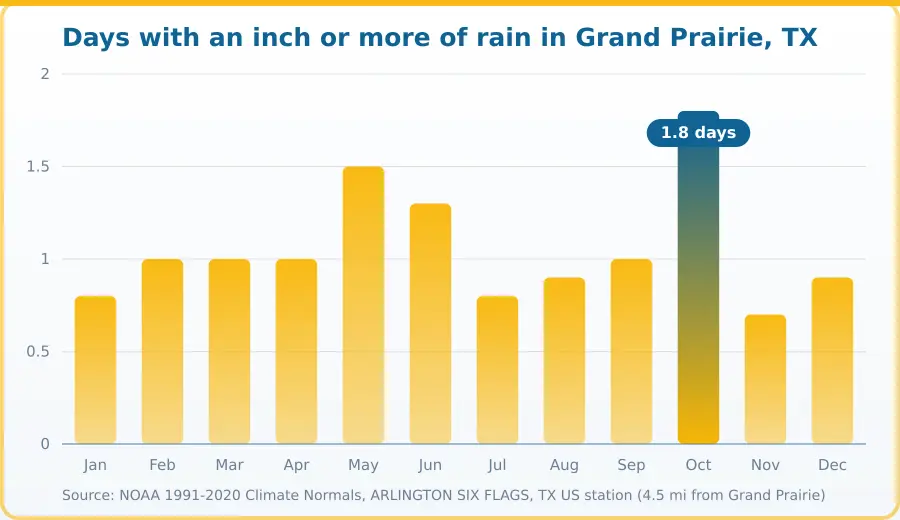
| Period | Days with an inch or more of rain (days) |
|---|---|
| Jan | 0.8 |
| Feb | 1 |
| Mar | 1 |
| Apr | 1 |
| May | 1.5 |
| Jun | 1.3 |
| Jul | 0.8 |
| Aug | 0.9 |
| Sep | 1 |
| Oct | 1.8 |
| Nov | 0.7 |
| Dec | 0.9 |
Source: NOAA 1991-2020 Climate Normals, ARLINGTON SIX FLAGS, TX US station (4.5 mi from Grand Prairie). Retrieved October 27, 2026.
Commercial Mold Remediation Needs by Season in Grand Prairie
Spring: Rising Moisture Risk
Spring rainfall increases indoor moisture in commercial spaces, creating ideal conditions for mold growth in HVAC systems, attics, and bathrooms. Goff Mold Remediation connects Grand Prairie business owners with local providers who inspect hidden moisture sources and remove active mold before it spreads.
Summer: Heat and Humidity
Summer heat combined with the region's persistent humidity keeps moisture levels elevated in commercial buildings year-round, accelerating mold colonization in poorly ventilated areas. Local remediation providers accessible through Goff address cooling system condensation, ductwork, and moisture barriers to protect indoor air quality and occupant health.
Fall: Seasonal Transitions
Temperature swings and occasional heavy rain in fall create moisture pockets within commercial structures, particularly around AC systems and roof penetrations. Goff Mold Remediation helps property owners in areas like Greenway Trails and Mountain Creek find providers who seal vulnerable spots and remediate emerging mold before winter arrives.
Winter: Condensation Traps
Winter cold and heating cycles generate condensation in commercial spaces, trapping moisture in insulation, attics, and mechanical systems where mold thrives quietly. Goff Mold Remediation connects businesses with local specialists who detect and remove winter-dormant mold growth before spring moisture awakens it into active spread.
Related Services
Commercial Mold Remediation FAQs — Grand Prairie, TX
Commercial mold remediation addresses mold growth in business buildings through inspection, containment, removal of affected materials, cleaning, and drying to restore safe indoor air quality. The process typically includes identifying moisture sources, isolating contaminated areas, applying specialized cleaning methods, and monitoring to ensure thorough resolution. Goff Mold Remediation connects you with local providers who handle the full scope of the work.
Goff Mold Remediation works to connect you with independent local providers promptly so your commercial property can be assessed and remediation can begin without unnecessary delay. Response times vary by provider availability and the scope of your situation. Contact Goff directly to discuss your timeline and get connected to a provider ready to help your Grand Prairie business.
Pricing for commercial mold remediation depends on the extent of mold growth, affected materials, accessibility, containment requirements, and what remedial actions are needed. Larger commercial spaces or multiple problem areas typically involve higher costs. Independent providers in Grand Prairie set their own pricing based on your specific situation. Goff connects you with local providers who can evaluate your property and discuss cost factors.
During remediation, the provider will establish containment barriers, remove or treat mold-affected materials, apply approved cleaning agents, address underlying moisture, and monitor drying. Your business may experience temporary disruption. The independent provider you're connected with will outline the process, timeline, and necessary precautions before work begins to minimize impact on your commercial operations.
Sustained moisture control is key to preventing recurrence. In North Texas's humid climate, this means maintaining proper ventilation in restrooms and mechanical rooms, ensuring HVAC systems drain correctly, promptly repairing roof or water leaks, and keeping indoor humidity levels managed. The independent provider you work with can recommend specific preventive measures tailored to your building's vulnerabilities.
Grand Prairie experiences elevated humidity throughout much of the year, creating steady moisture pressure on commercial buildings. Attics, bathrooms, and AC systems are common trouble spots where mold takes hold if moisture isn't managed. Year-round vigilance—not just after visible damage—helps protect your property's interior air quality and structure. Early remediation prevents costly damage and occupant health concerns.
Homeowner Safety Toolkit
Verify Your Grand Prairie, TX Mold Remediation Company
Before you hire anyone, use these independent national resources to confirm credentials, standards, and track record.
ACAC
An independently accredited certifying body for mold inspectors and consultants — one of the few in this field whose standards are verified by an outside accreditation board, not just self-declared.
Find a Certified InspectorBBB
Look up any mold remediation company's complaint history, customer reviews, and accreditation status — a free, independent check before you hire.
Check StandingCDC
Covers the health effects of mold exposure and safe cleanup practices, separate from the remediation work itself — useful if anyone in the home has respiratory symptoms.
Mold Health GuideDealing with Commercial Mold Remediation in Grand Prairie, TX? Call (972) 449-9488 for 24/7 help.
Call Now — (972) 449-9488Areas We Serve in Grand Prairie, Texas
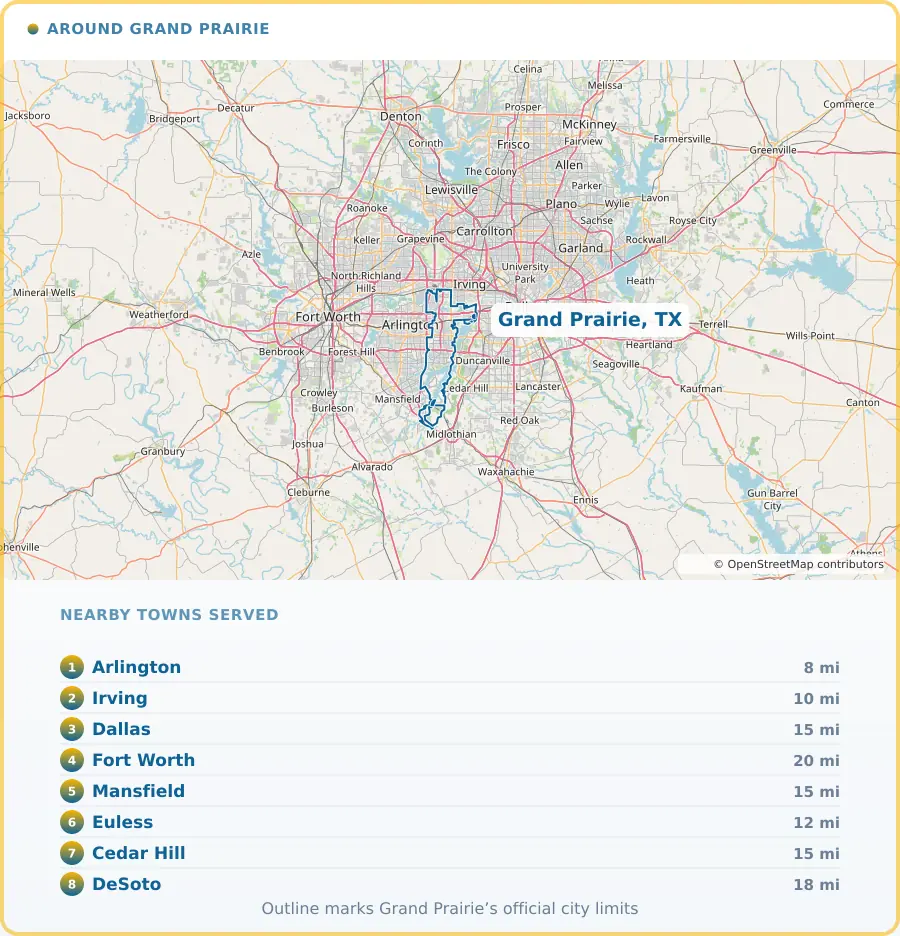
Coverage centres on Grand Prairie, TX and reaches 8 surrounding communities. Response time is what matters most in the hours after a problem is found, so knowing the ground is part of the job.
Grand Prairie, TX Information
Wedged neatly between Dallas and Fort Worth, Grand Prairie has built its own identity out of that in-between address. Roughly 196,100 people call it home, and the city's economy runs on a sturdy mix of aerospace and defense work, with Lockheed Martin and Raytheon Technologies anchoring a manufacturing base that's been around long enough to matter. Add in a growing logistics and distribution scene, plus retail and construction keeping pace with the Metroplex's expansion, and you get a city that stays busy without losing its footing.
Grand Prairie also knows how to have fun: Lone Star Park and Epic Waters Indoor Waterpark draw visitors well beyond city lines. Neighborhoods like Lynn Creek and South Grand Prairie reflect a community that's practical, welcoming, and quietly proud of its place in North Texas.
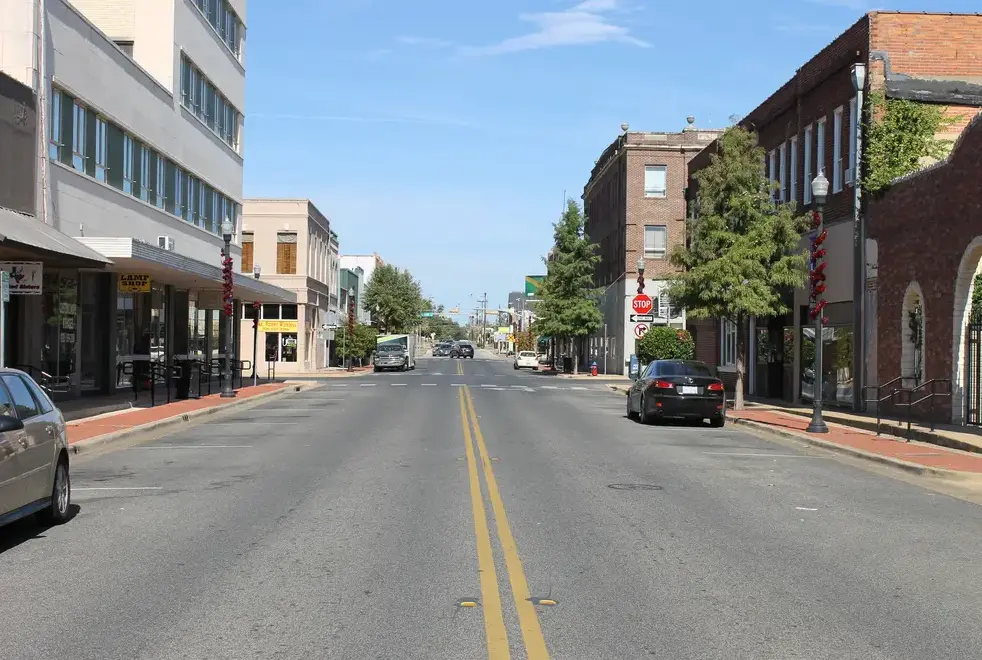
Photo: Billy Hathorn, CC BY-SA 3.0